How Choosing Vinyl Windows for Your Home Saves Money
January 12, 2026
How Professionals Plan Window Installation for Unique Homes
February 19, 2026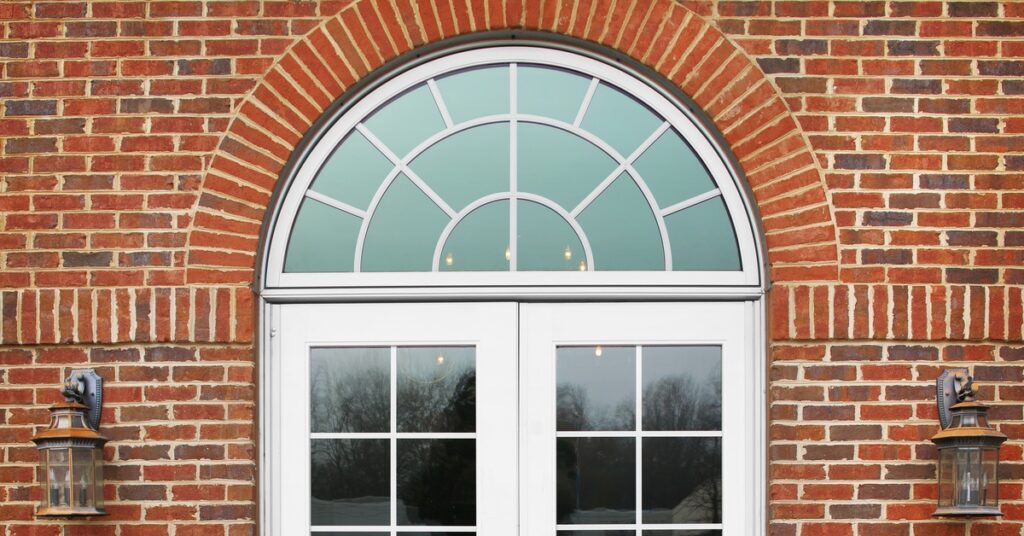
Homeowners in Northern Chicago know the joy and struggle of owning a property with character. Whether you live in a vintage Victorian in Evanston or a mid-century modern gem in Rogers Park, your home likely features architectural details that define its unique style. Often, these details include windows with unconventional shapes and sizes. While these features add charm, they present a challenge when it comes time for replacement.
Standard off-the-shelf products do not fit these unique spaces. Attempting to force a square peg into a round hole—or a standard rectangular window into a gothic arch—compromises your home’s thermal envelope and aesthetic integrity. You need a specialized approach. Custom wood-clad windows offer the perfect marriage of modern performance and historical accuracy. These units preserve the soul of your home while standing up to the harsh Midwest climate by combining a low-maintenance aluminum exterior with a warm, paintable wood interior.
Finding the right configuration for nonstandard openings requires an understanding of structural load, weatherproofing, and architectural history. Here are five custom wood-clad window solutions for odd openings.
1. Field-Templated Radius and Arch Top Windows
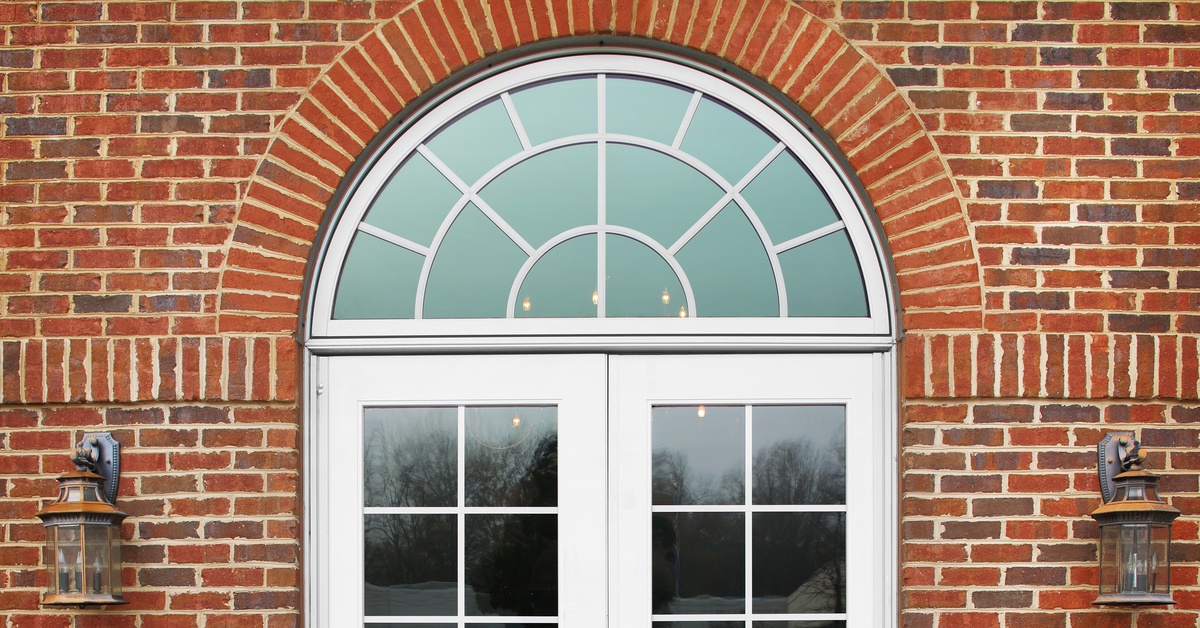
Arched windows are the focal point of many historic facades. You might see them as Romanesque arches in masonry buildings or gentle eyebrow dormers on bungalow roofs. The difficulty with replacing these units lies in the curve. No two arches are exactly alike, especially in older construction where settling has shifted the frame over decades.
Stock manufacturing cannot replicate these subtle irregularities. The solution involves creating a precise field template. Manufacturers use this template to bend the aluminum cladding and shape the wood interior to match your home’s curve within a fraction of an inch.
This custom radius approach ensures the new unit fits the rough opening tightly. A tight fit allows for superior insulation and prevents air infiltration, a common issue with poorly fitted arch replacements. You retain the elegant sweep of the original architecture without sacrificing energy efficiency.
2. Direct-Set Geometric Shapes for Modern Angles
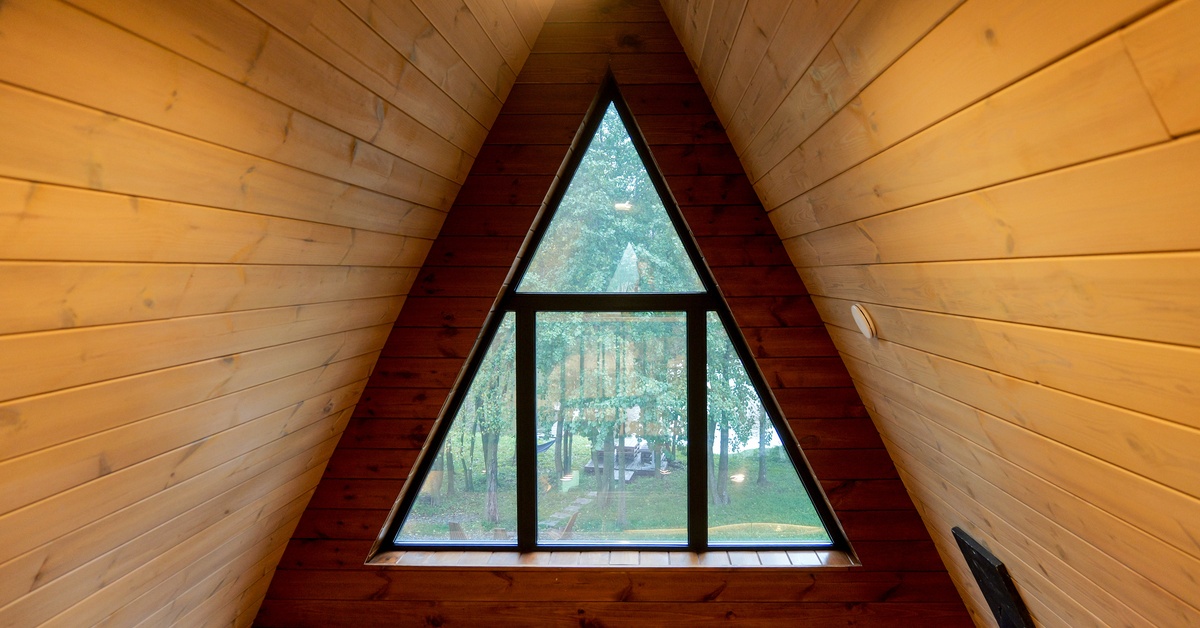
While older homes feature curves, mid-century and contemporary architecture often utilize sharp angles. You might encounter trapezoids following a roofline, triangles nestled in gables, or massive parallelograms maximizing a view. These “direct-set” windows—where the glass sits directly in the frame rather than in a moving sash—require high structural integrity.
Custom wood-clad solutions excel here because of the rigidity of the materials. We can fabricate extruded aluminum cladding to handle acute angles that vinyl simply cannot support. Vinyl often requires thick, bulky frames to maintain strength, which eats into your visible glass area. Wood-clad frames are slim and sleek, honoring the clean lines of modern design.
Furthermore, you can outfit these geometric shapes with energy-efficient glass packages. Low-E coatings and argon gas fills manage the solar heat gain, which is crucial for large, odd-shaped windows that catch a lot of sun.
3. Historic Sash Replacement Kits for Nonstandard Sizes
Sometimes the oddity of an opening isn’t the shape, but the size. Many Chicago bungalows feature cottage-style double-hung windows where the top sash is shorter than the bottom sash, or wide openings that modern standards don’t support. Tearing out the entire frame and trim to install a new construction window can damage your vintage brick or interior woodwork.
A sash replacement kit offers a less invasive alternative. If your original wood frame is sound, you can get new wood-clad sashes to fit the existing tracks. This method allows you to keep your odd-sized opening and original interior casing intact.
4. Custom Louver and Octagon Accent Windows
Small accent windows, such as octagons, circles, or quatrefoils, often sit high up on walls or in stairwells. While small, they are notorious for leaking energy because older versions rarely featured insulating glass or proper flashing.
Replacing these requires a solution that seals the building envelope tightly. Custom wood-clad units are fully functioning windows, rather than just decorative glass. You can configure them as venting units, allowing you to open them to release hot air from an attic, or as fixed units with high-performance glass.
The aluminum cladding on these hard-to-reach windows is a major advantage. Since accent windows are often located in high gables or second stories, maintenance is dangerous and difficult. A durable, factory-finished aluminum exterior resists fading and chalking, so you won’t need to climb a ladder to paint it every few years.
5. Milled-To-Match Simulated Divided Lites

Odd openings often feature intricate grille patterns (muntins) that define the home’s style. A Gothic Revival window might have a distinct tracery pattern in the arch, while a prairie-style home features complex geometric border designs. Standard grids between the glass often look flat and artificial, ruining the historic effect.
Simulated divided lites (SDL) offer a premium solution. Manufacturers adhere muntin bars to the interior and exterior surfaces of the glass, with a spacer bar in between the panes. This creates the shadow lines and depth of a true divided lite window.
You can customize these grille patterns to align perfectly with your existing architecture. Whether you need a sunburst pattern for a half-round window or a diamond pattern for a Tudor casement, custom wood-clad manufacturing allows for precise detailing that keeps your home looking authentic.
Navigating the Installation Process
Identifying the right product solves only half the problem. The success of your project relies on the skill of the installers. Fitting a custom-shaped window requires carpentry skills that go beyond the basic “rip and replace” tactics many volume contractors use.
You need a team that respects the local climate and building codes for wood window installation in Chicago. Scientific Home Services’ installation crews, led by lead certified renovators, understand how to insulate around irregular gaps and flash complicated shapes to prevent water intrusion. We take care to minimize dust and disruption and treat your home with the care it deserves.
Replacing windows in odd openings extends your home’s longevity. While you may feel tempted to close up a unique opening or settle for a poorly fitting vinyl insert, these shortcuts diminish your property value. Custom wood-clad window solutions for odd openings keep your home energy efficient, comfortable, and beautiful for decades.