
How Professionals Plan Window Installation for Unique Homes
February 19, 2026
A Look at the ROI for Professional Window Installation
March 19, 2026

If you’ve started noticing drafts, condensation between panes, or steadily rising energy bills, you’re probably asking yourself a familiar question: When should you consider window replacement versus repair? The answer depends on the condition of your windows, your long-term goals, and the performance you expect.
Some problems call for a simple fix. Others signal that your windows have reached the end of their useful life. Knowing the difference can improve your everyday comfort and prevent the frustration of spending money on the same problem twice.
Start With the Age of Your Windows
Age is one of the most important factors in this decision. Most residential windows last between 15 and 30 years, depending on their materials and how well they’ve been maintained. Vinyl and wood-clad products can perform well for decades when properly installed, but seals, hardware, and insulated glass units naturally wear down over time, regardless of care.
When windows approach or exceed their expected lifespan, repairs often provide only short-term relief. In those cases, replacement delivers better value. You restore efficiency, improve operation, and reduce the likelihood of recurring issues. Newer windows with isolated damage, on the other hand, usually respond well to targeted repairs that extend their life without the cost of full replacement.
Evaluate Energy Efficiency Problems
Energy loss is one of the most common reasons homeowners begin exploring their options. Older windows frequently allow air to leak around frames or through worn weatherstripping, and single-pane glass or failed insulated glass units can reduce thermal performance. When that happens, your HVAC system works harder to compensate, and your utility bills reflect the strain.
Common signs include drafts near the window, cold spots in winter, excess heat gain in summer, and higher energy costs without another clear explanation. If your windows lack modern insulation features, you may want to consider replacing them. However, if the issue stems from minor seal damage or deteriorated caulking, a professional repair may restore performance without the expense of starting over.
Look for Seal Failure and Condensation
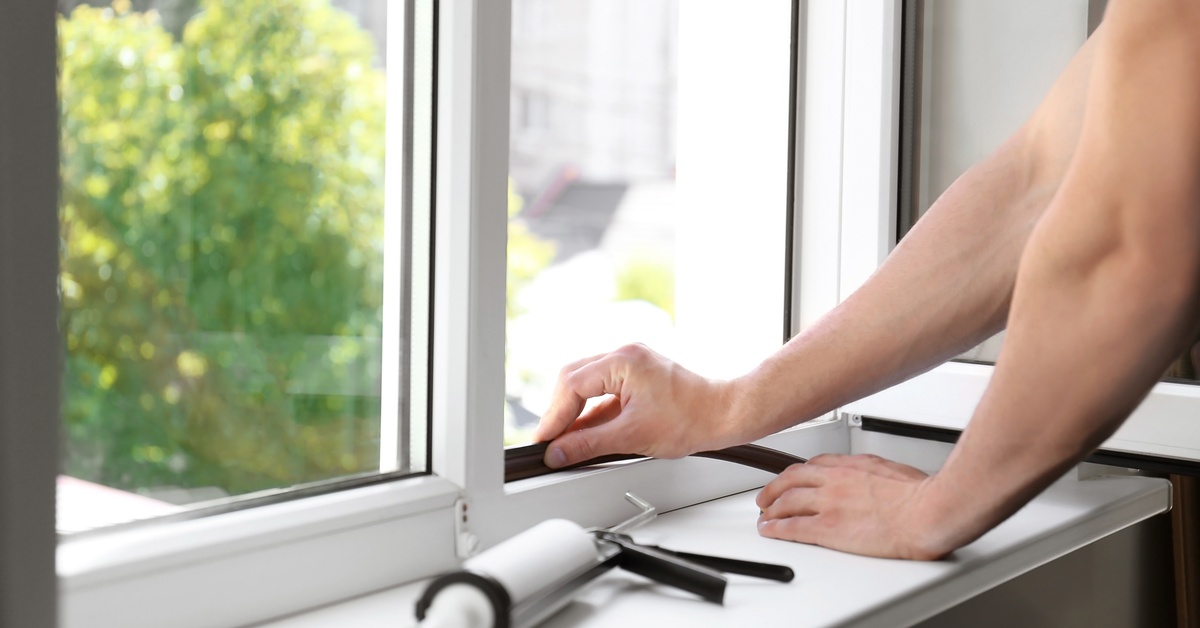
Condensation between glass panes is a reliable sign of seal failure. Double- and triple-pane windows depend on sealed air or gas between panes to provide insulation, and when that seal breaks, moisture enters the space and creates fogging that no amount of cleaning will resolve.
In many cases, you can replace the insulated glass unit without touching the frame. This is a practical solution when the surrounding structure is sound. But if multiple windows show seal failure, or if the frames themselves have begun to deteriorate, full replacement is the more sensible long-term investment.
Assess Frame Condition and Structural Damage
The frame’s condition often determines whether repair is worth pursuing. Wood frames can rot when exposed to prolonged moisture. Aluminum frames may corrode over time. Vinyl frames can warp under extreme temperature fluctuations or because of improper original installation. Each of these issues affects how well the window seals, operates, and holds up under daily use.
A skilled technician can often address minor damage, such as a small area of rot, by removing the compromised section and restoring the frame’s integrity. Widespread rot, warping, or structural instability, however, typically justifies full replacement. New windows ensure proper sealing, secure operation, and improved durability.
Consider Operational Issues
Windows should open, close, and lock without effort. If you’re struggling to raise a sash, engage a lock, or keep a window open, hardware failure is often the cause. Replacing balances, locks, or hinges can resolve the problem quickly and affordably. These are among the most straightforward repairs available and rarely require replacing the entire unit.
That said, persistent operational problems across multiple windows can point to deeper issues, such as shifting frames, foundation movement, or poor original installation. When repairs repeatedly fail to restore reliable function, replacement eliminates frustration and the safety risks that come with windows that won’t stay shut or lock properly.
Compare Short-Term Costs and Long-Term Value
Repair costs less upfront, but focusing only on the immediate price can result in a cycle of repeated expenses that add up. Repairing aging windows year after year may eventually cost more than investing in new, energy-efficient units.
Replacement often delivers several benefits:
- Lower energy bills
- Improved indoor comfort
- Better noise reduction
- Increased home value
- Enhanced curb appeal
Replacement offers stronger long-term value when windows show multiple performance issues. If damage is isolated, and the window still performs well overall, repair is the smarter financial choice.
Think About Comfort and Noise Control
Drafts and outside noise affect daily life. Older windows often lack the insulation and sound-dampening features found in modern products. If you live near a busy road or in a dense neighborhood, noise and temperature fluctuations entering through outdated windows can erode your comfort.
In some cases, professional repair, including replacing weatherstripping, resealing gaps, or adjusting alignment, can reduce drafts and noise. If your windows continue to transmit significant outside noise or struggle to regulate indoor temperatures after those repairs, however, replacement will likely produce a more noticeable and lasting improvement.
Review Aesthetic and Design Goals
Performance isn’t always the only consideration. You may want to update the look of your home, bring in more natural light, or change window configurations to better suit your space. Repairs will not achieve those goals. Replacement allows you to choose updated materials, frame finishes, and designs that reflect your taste and your home’s architecture.
If your windows function well, and you’re satisfied with how they look, repair can extend their life at a reasonable cost. But if a visual upgrade or modern performance features are part of the plan, choose replacement.
Consult a Professional for an Honest Assessment

A professional evaluation can provide clarity if you’re unsure. An experienced window specialist can inspect seals, frames, glass, and installation quality. They can give you a straightforward idea of whether targeted repairs will restore performance or whether replacement makes more sense given your home’s condition.
Look for a company that handles installation directly rather than subcontracting the work. Direct oversight supports consistent quality from the initial assessment through the final installation.
Making the Right Choice for Your Home
Choosing between window repair and replacement comes down to age, condition, performance, and your long-term plans. Repair makes sense when the issue is minor, isolated, and cost-effective. Replacement makes sense when your windows show structural damage, repeated seal failure, widespread inefficiency, or performance that no longer meets your needs.
If you’re uncertain which path fits your situation, Scientific Home Services can help. We provide honest recommendations, clear pricing, and professional installation with no third-party contractors and no guesswork. Contact us today to schedule an evaluation, and trust us for your home window repair in Chicago.