A Look at Multi-Chambered Vinyl Windows and Their Benefits
April 10, 2026
Identifying Poor Window Installation and Water Damage
April 30, 2026
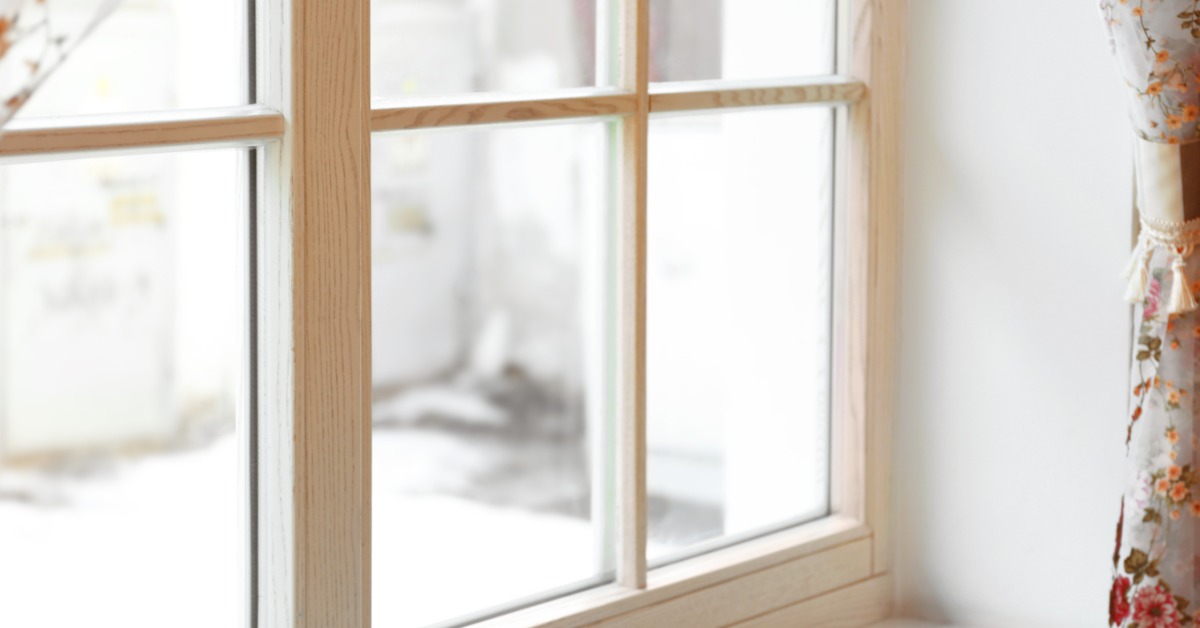
Wood windows add character, warmth, and value to many homes. However, this material can be especially susceptible to damage without the right finish, maintenance, and protective measures.
A strong finish helps block moisture, slows surface wear, and reduces the risk of peeling, rot, and swelling that can shorten the life of the window. If your home has wooden windows or you’re considering their installation, follow this guide to maintaining the wood finish on this material.
Weather Puts Extra Stress On Wood
Chicago weather creates tough conditions for old wood windows. Cold winters, summer humidity, heavy rain, and strong sun exposure can wear down stain, paint, and clear protective coatings faster than many homeowners expect.
South-facing and west-facing windows often show wear first. Sills, lower rails, and exposed trim also tend to break down sooner because water and sun hit those areas more directly.
Early Signs Of Finish Failure
Small changes in the finish often show up before major wood damage starts. Fading color, dry-looking wood, hairline cracks, peeling edges, and rough texture all point to a finish that needs attention.
Sticky sash movement can also signal a problem. When wood absorbs moisture, frames and sash can swell, which affects operation and can strain older hardware.
What Happens When The Finish Breaks Down
Once the finish fails, bare wood starts taking on moisture more easily. That moisture can lead to soft spots, discoloration, mildew, and gradual decay around joints, corners, and sills.
Minor finish issues usually cost less to fix than deeper wood damage. Regular upkeep helps preserve the original window longer and can delay the need for more involved repair work.
How Often Old Wood Windows Need Attention
Old wood windows do not follow one fixed maintenance schedule. Exposure, age, previous coating quality, and interior humidity levels all affect how long a finish lasts.
In many Chicago homes, yearly repair makes sense. Homes near the lake, homes with full sun exposure, and homes with older coatings may need touch-ups sooner than shaded or recently restored windows.
Best Time of Year To Inspect the Finish
Spring and early fall work well for checking wood windows. These seasons make it easier to spot damage left by winter moisture or summer sun before the next temperature swing arrives.
A quick visual review can catch problems early. Look closely at the sill, lower corners, glazing lines, and any areas where paint or stain looks thin or uneven.
Cleaning Matters More Than Many Homeowners Realize
Dirt and grime can hide finish damage and hold moisture against the wood. Gentle cleaning helps reveal the real condition of the surface and supports better adhesion when touch-up work starts.
Use a soft cloth or sponge with mild soap and water. Harsh cleaners and abrasive pads can scratch the finish and create more trouble than they solve.
Moisture Control Helps Protect Indoor Finish Too
Interior condensation can damage wood windows just as outdoor weather can. Bathrooms, kitchens, and rooms with poor airflow often create moisture that settles on glass and wood trim.
When condensation forms often, the finish near the glass can break down faster. Managing indoor humidity and improving ventilation can help reduce repeat damage.
Simple Habits That Help Old Wood Windows Last Longer
Consistent care goes a long way with older wood windows. A few routine habits can help protect the finish between larger maintenance projects.
- Wipe off standing water after heavy rain or condensation
- Keep tracks, sills, and weep areas clean
- Check caulk lines for gaps or cracking
- Look for peeling finish near joints and corners
- Schedule touch-ups before bare wood spreads
Paint, Stain, And Clear Coats Each Need Different Care
Not every old wood window uses the same finish system. Painted windows need strong coverage and edge protection, while stained windows need products that protect both color and grain.
Clear finishes often need more frequent upkeep because UV exposure can wear them down faster. Matching the new coating to the existing finish helps create a better result and a more even appearance.
Prep Work Makes or Breaks the Repair
Good finish maintenance starts with careful prep. Loose coatings or dust can prevent a fresh layer from bonding well, which leads to early peeling.
Light sanding, spot priming when needed, and fully dry surfaces all matter. Rushing through prep usually creates a short-term fix instead of a lasting repair.
Caulk And Glazing Deserve Close Attention
Finish maintenance does not stop at paint or stain. Failed caulk and cracked glazing can let water into the sash or frame, which speeds up finish breakdown and wood damage.
When gaps show up around trim or glazing lines, those areas need prompt repair. Fresh finish will not solve water entry on its own if the seal around the window has already failed.
When Repair Makes Sense
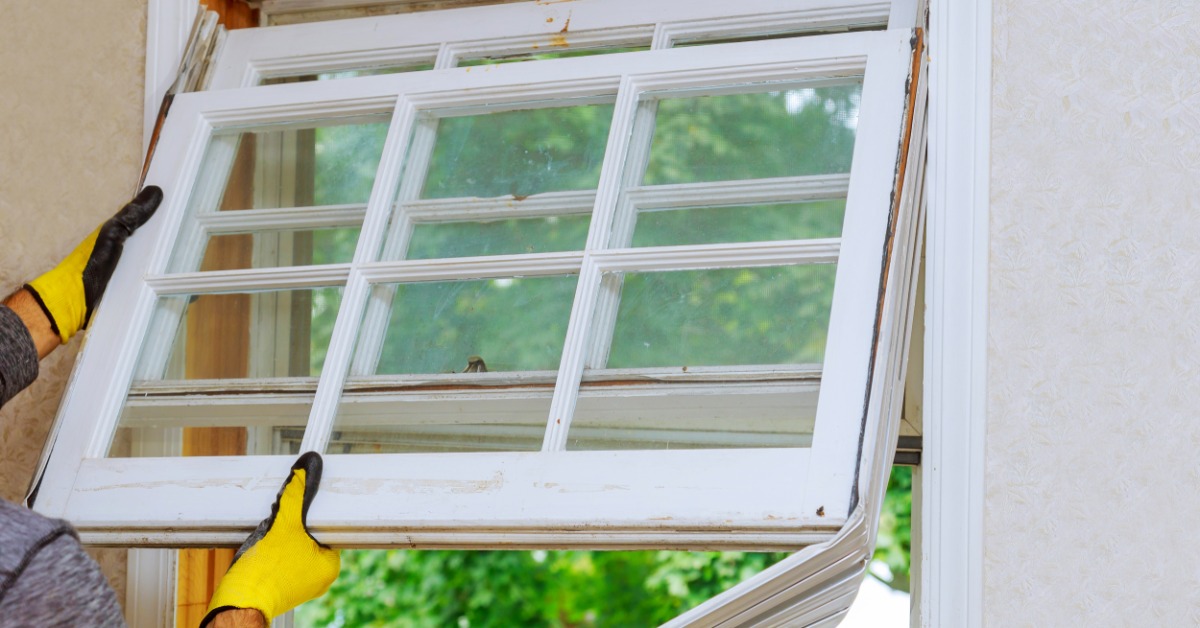
Many old wood windows remain worth saving, especially when the frame stays solid and the damage sits mostly at the surface. Skilled repair can restore your windows’ function and appearance.
Repair often works best for isolated finish failure, minor rot at accessible areas, or hardware issues tied to swelling and wear. A careful inspection helps determine whether the window needs restoration, selective repair, or a more complete upgrade.
When Replacement Becomes Necessary
Some older windows have damage that goes beyond finish maintenance. Widespread rot, chronic air leaks, failing operation, and repeated water intrusion can point to replacement as the more practical long-term move.
In those cases, wood metal clad windows often appeal to homeowners who want the look of wood indoors with added exterior protection. That approach can reduce future maintenance while still fitting the style of an older home.
Choosing The Right Help For Older Windows
Old wood windows need more than a quick coat of paint. Proper care depends on understanding wood condition, finish systems, moisture patterns, and how the window operates as a whole unit.
Scientific Home Services serves homeowners with window repair, window installation, and replacement options, including wood clad and fiberglass windows, and our company handles installation without third party installation contractors. That focus supports a more direct process for homeowners looking for practical guidance on aging windows.
Maintaining the wood finish on old wood windows protects appearance and performance. For Chicago homeowners dealing with worn finishes, sticking sash, or aging wood windows that may need repair or replacement, Scientific Home Services offers support with window repair, replacement windows, and professional installation services throughout the area.
Visit our website for more information on available window services. We can help homeowners decide whether restoration or replacement makes the most sense for the home.