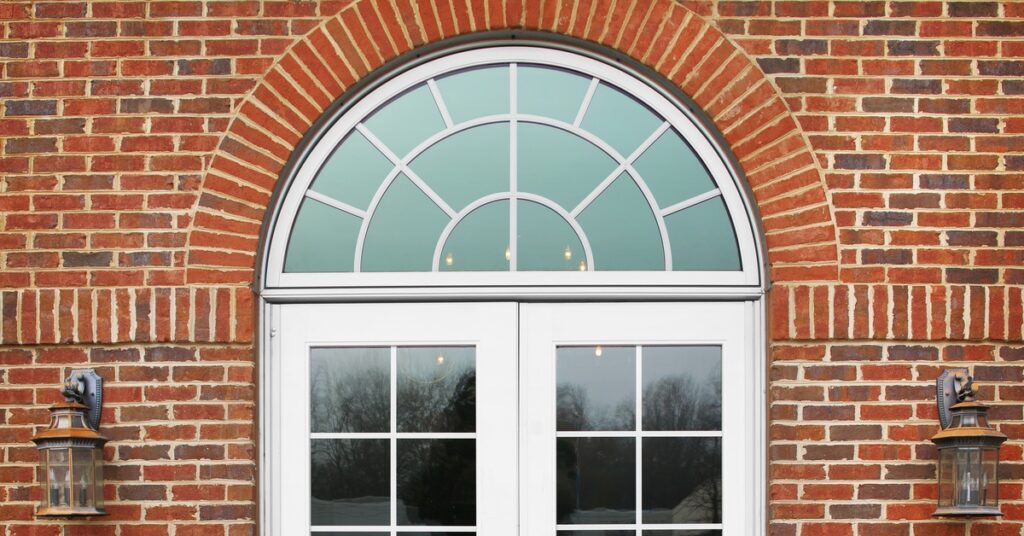

5 Custom Wood-Clad Window Solutions for Odd Openings
February 9, 2026
When Should You Consider Window Replacement vs. Repair?
March 10, 2026

Homeowners with unconventional properties often wonder how contractors tackle more complicated projects. Window installations for unique homes require careful evaluation, technical know-how, and strategic coordination. Not all homes fit the cookie-cutter mold, which means professionals must balance architecture, efficiency, code compliance, and design vision before anyone picks up a tool.
Project planning prevents structural headaches, energy loss, and expensive do-overs down the line. Here’s how professionals plan window installation for unique homes with precision and purpose.
Start With the Architecture
Professionals begin by studying the structure. Every home tells a story through layout, materials, and the way it carries weight. Installers examine rooflines, wall depth, framing style, and exterior finishes before recommending a window type because those details dictate what is possible.
Older homes often hide plaster walls or nonstandard framing behind their charm. Modern custom builds might feature expansive glass walls or mixed materials such as steel and concrete. Each condition changes how installers anchor and seal new windows. Overlook these realities, and you’re looking at drafts, water intrusion, or compromised framing. Careful evaluation ensures your new windows don’t fight against your home’s design.
Nail Down Design Intent and Goals
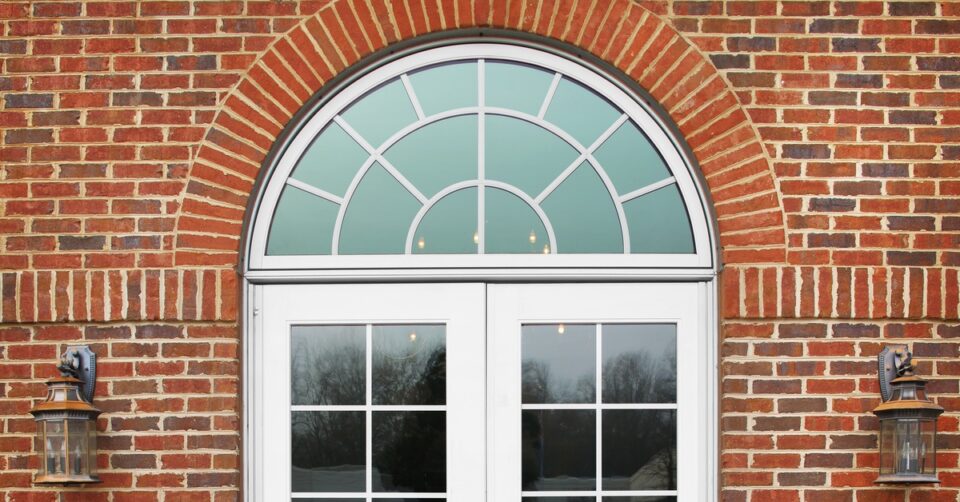
Good contractors ask detailed questions about what you want. Some homeowners are after historically accurate replacements that honor the home’s original character. Others prioritize flooding rooms with natural light or capturing panoramic views.
Installers match product selection to those goals. Narrow sightlines might enhance a sleek, contemporary look, while divided lites preserve traditional charm. Defining goals early prevents the kind of mismatched expectations that result in change orders and delays later on.
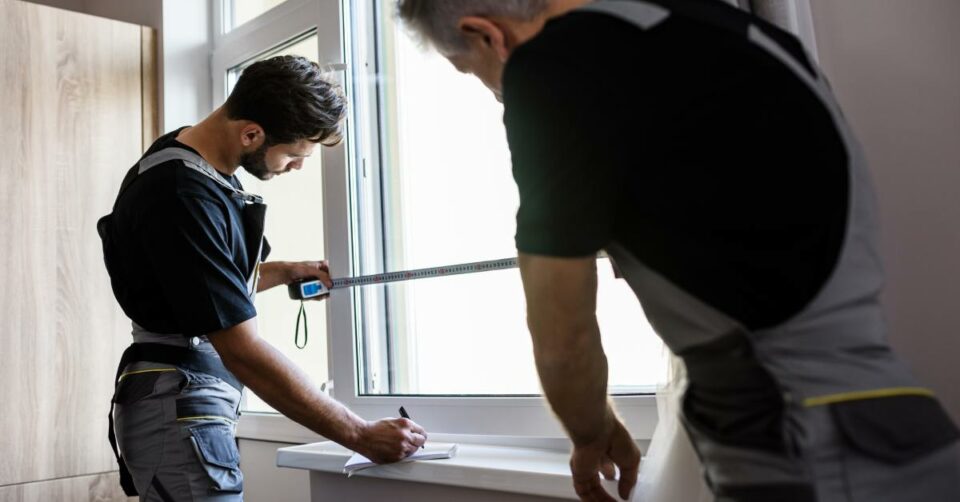
Measure With Precision
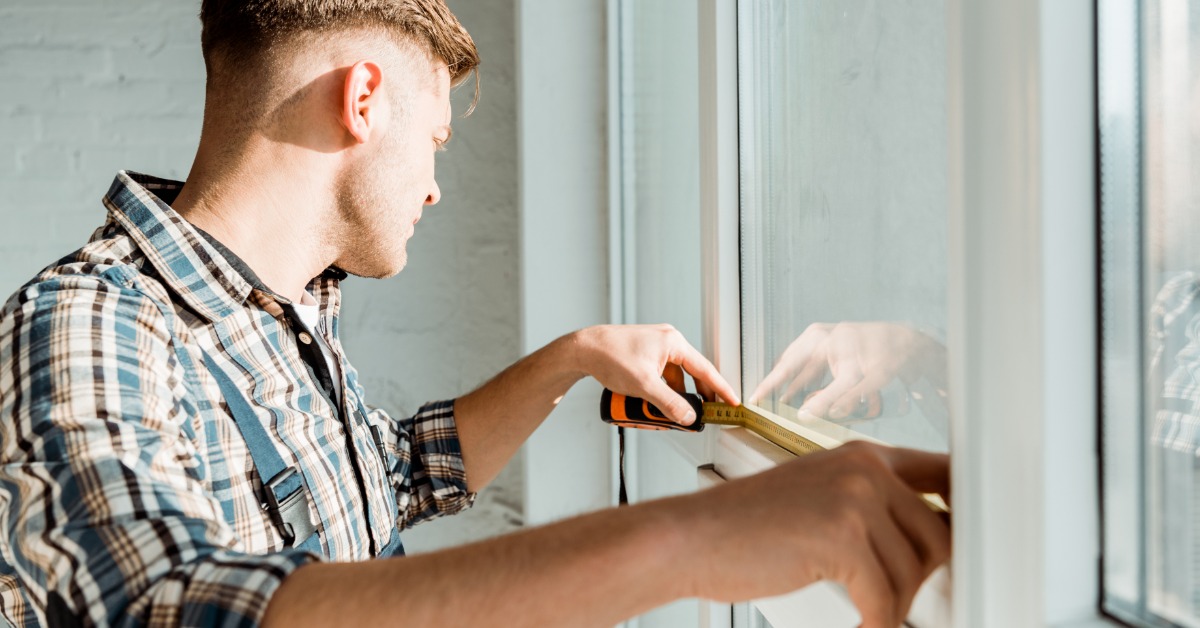
Unique homes rarely follow standardized dimensions, which makes precision measuring critical. Even a quarter-inch mistake can create installation challenges, so professionals measure openings carefully and confirm those measurements multiple times.
Installers must account for the following:
- Framing depth
- Irregular openings
- Wall thickness
- Exterior cladding
- Settling or shifting in older homes
- Clearance for expansion and contraction
Accurate measurements let manufacturers fabricate custom units that fit. Skipping this step will result in gaps that compromise performance.
Choose Materials Based on Climate and Performance
Window materials must match climate demands and structural realities. Professionals evaluate insulation requirements, UV exposure, and seasonal temperature swings before recommending frames or glazing options.
Installers prioritize materials that handle expansion and contraction without warping in regions with extreme weather shifts. Meanwhile, coastal climates require corrosion resistance. Energy codes influence glazing selection and insulation ratings across the board. For example, contractors handling residential window installation in Chicago must account for brutal winters, wind exposure, and strict energy requirements. Proper material selection cuts down on drafts, lowers utility bills, and extends the lifespan of your windows.
Navigate Building Codes and Permits
Unique homes often fall under municipal regulations, especially if they’re in historic districts. Professionals research local codes and secure the necessary permits before scheduling work because getting surprised mid-project is expensive and frustrating.
Building departments might require tempered glass in certain spots or restrict what you can change on the exterior. Historic preservation boards sometimes demand exact material matches or approve only specific design profiles. Experienced installers anticipate these requirements so they don’t have to scramble to fix them halfway through. That foresight keeps projects on track.
Coordinate Structural Modifications When Needed
Some projects need more extensive work. Maybe you want to enlarge openings or turn a solid wall into an expansive window system. Those changes require structural reinforcement, which involves engineering expertise.
Contractors collaborate with engineers to calculate load distribution and install proper headers or supports. This coordination ensures modifications improve your home safely, as larger openings can weaken the building envelope if not handled correctly. Professionals approach every alteration with structural awareness in mind.
Plan for Energy Efficiency and Air Sealing
Modern window installation aims for energy efficiency. Professionals plan comprehensive air sealing strategies to block drafts and moisture from sneaking in where they shouldn’t. They select flashing systems and insulation methods that integrate with your home’s existing barrier layers.
Proper flashing directs water away from the structure, and high-quality sealants prevent air from leaking around frames. Even the most advanced window can’t perform if installers skip sealing. Thoughtful planning ensures your windows deliver long-term performance.
Protect Unique Interior and Exterior Finishes
Distinctive homes often feature specialty siding, intricate brickwork, or custom millwork that took serious craftsmanship to create. Professionals plan how to remove and reinstall trim without damaging it because replacing original details isn’t always possible.
Interior finishes get the same careful attention. Installers protect flooring, plaster, and decorative molding during removal, and they may fabricate custom trim pieces to maintain your home’s architectural integrity. Planning these details in advance protects what makes your home special and minimizes chaos during construction.
Schedule Around Weather and Scope
Window installation is weather-dependent, so professionals schedule work strategically to reduce how long your home sits open to the elements during removal. Teams often phase the installation for large or complex projects, completing one section at a time to maintain comfort and security inside. This approach limits how much of your wall is exposed at once and protects the structure from moisture or temperature extremes. Smart scheduling also keeps crews efficient, which reduces labor costs and prevents unnecessary delays that stretch timelines.
Test Everything Before Calling It Done
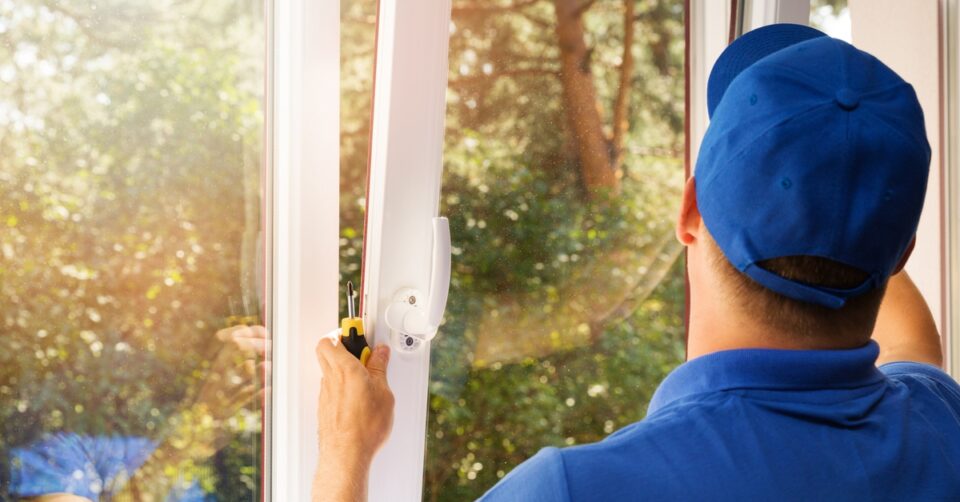
Planning doesn’t stop once the windows are in place. Professionals conduct thorough testing before signing off on the project. They check that sashes and hardware operate smoothly, locking mechanisms work, sealing is consistent around frames, and that there’s no air or water sneaking in.
Teams inspect interior and exterior finishes to ensure a polished result, and final walkthroughs give you a chance to confirm you’re satisfied before the project wraps. Quality assurance protects your investment and reinforces the contractor’s reputation for craftsmanship.
Why Planning Determines Long-Term Performance
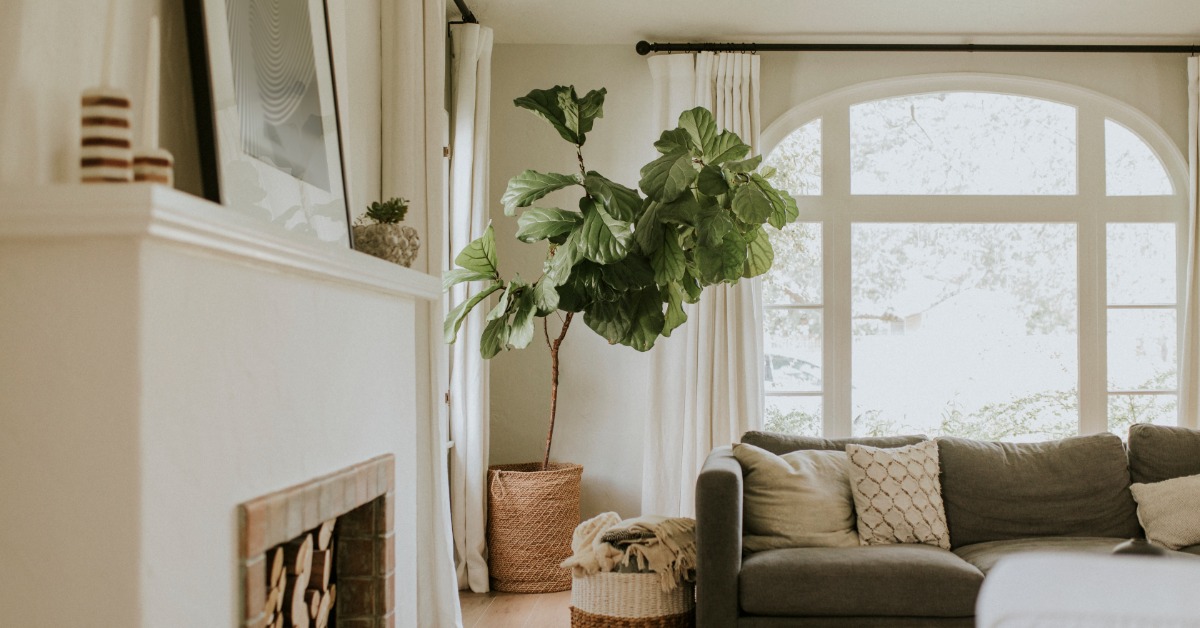
Custom window projects juggle countless variables. Structural integrity, climate performance, architectural harmony, and code compliance must work together in a single installation. Professionals lean on planning because shortcuts create expensive problems.
Accurate measurements, appropriate materials, and carefully coordinated structural changes deliver results that last. Thorough preparation prevents surprise repairs and premature replacement. In many ways, how professionals plan window installation for unique homes defines whether the entire project succeeds. The finished result might look straightforward, but the planning is what ensures stability, efficiency, and beauty for years to come.
Work With Experienced Professionals
Unique homes deserve thoughtful craftsmanship. If your property features custom architecture or nonstandard openings, partner with professionals who prioritize planning and precision from day one.
Scientific Home Services can evaluate your structure, clarify your goals, and recommend solutions that enhance performance and design. Ready to discuss your window project? Contact us to schedule a consultation and start planning.