Maintaining the Wood Finish on Old Wood Windows
April 20, 2026
Aluminum Window Fame Corrosion and Repair Options
May 5, 2026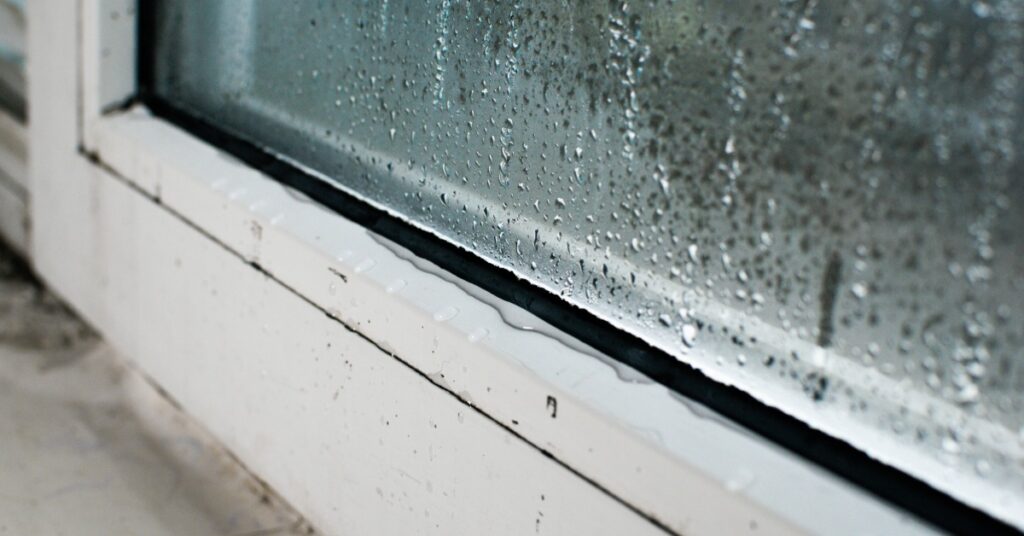
Window performance depends on several installation factors. When installation crews miss part of that process, water intrusion can follow and lead to damage inside the home.
Many Chicago-area homeowners notice the warning signs long before major structural problems develop. A timely inspection can uncover the cause, protect nearby materials, and keep a minor issue from becoming a larger repair.
Scientific Home Services provides window installation, window repair, and replacement solutions for homeowners across Chicago and nearby communities, with in-house installation rather than third-party crews. This guide explains how poor window installation leads to water damage, what signs homeowners should notice, and when it makes sense to call for professional help.
Why Poor Window Installation Leads To Water Damage
A window needs more than a snug fit inside an opening. It also needs correct placement, drainage planning, flashing that directs water outward, and seals that hold up under changing weather conditions.
When installers rush the work or skip a step, water can enter around the frame or sill and move into surrounding materials. Once that happens, moisture may spread behind trim and into the wall.
Chicago weather puts even more pressure on window openings. Wind-driven rain and freeze-thaw cycles can turn a small installation defect into a recurring leak.
Common Causes Of Installation-Related Water Problems
Poor flashing is one of the most common causes of installation-related leakage. When flashing does not direct water away from the opening, moisture can move behind the window and into the wall system.
Sealant problems can cause similar issues. Some installations fail because caulk was applied poorly or used as the main defense instead of one part of a larger water-management system.
A window that is not level can also create trouble over time. Misalignment affects how the sash closes and may leave openings where water and air can enter.
Incorrect sizing adds another layer of risk. A poorly sized unit can leave gaps around the perimeter or place stress on the frame that affects long-term performance.
Drainage systems also matter. When built-in weep paths become blocked or do not function properly, water can collect where it should have drained away.
Signs Of Poor Window Installation Inside The Home
Interior warning signs often appear before exterior damage becomes easy to spot. Repeated moisture near the same window should always raise concern.
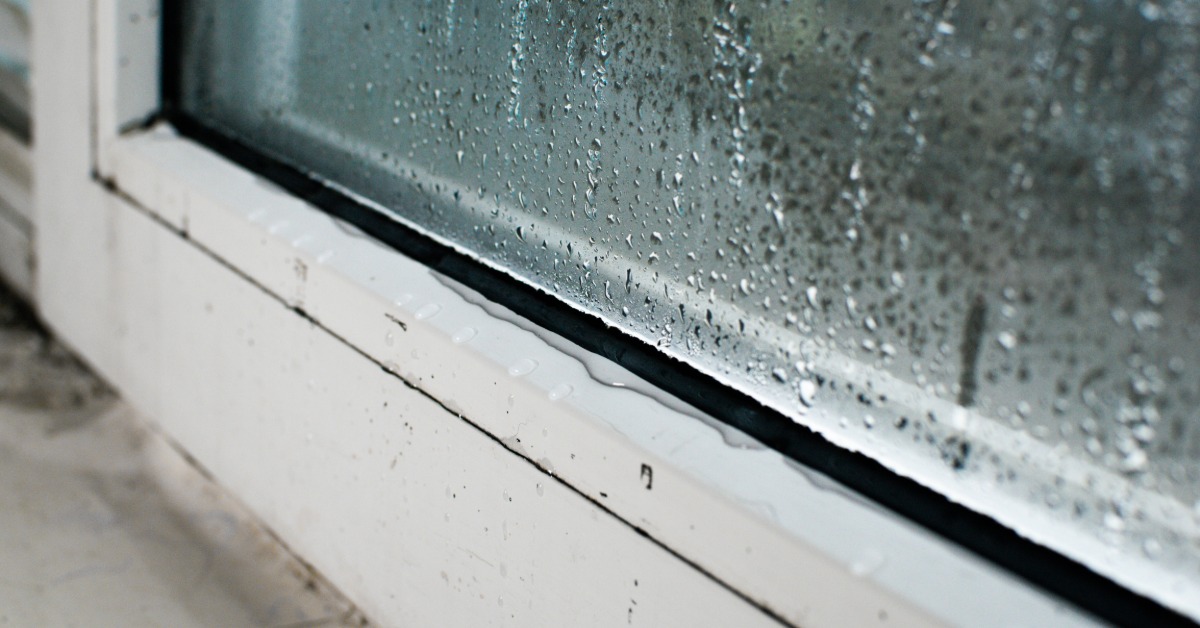
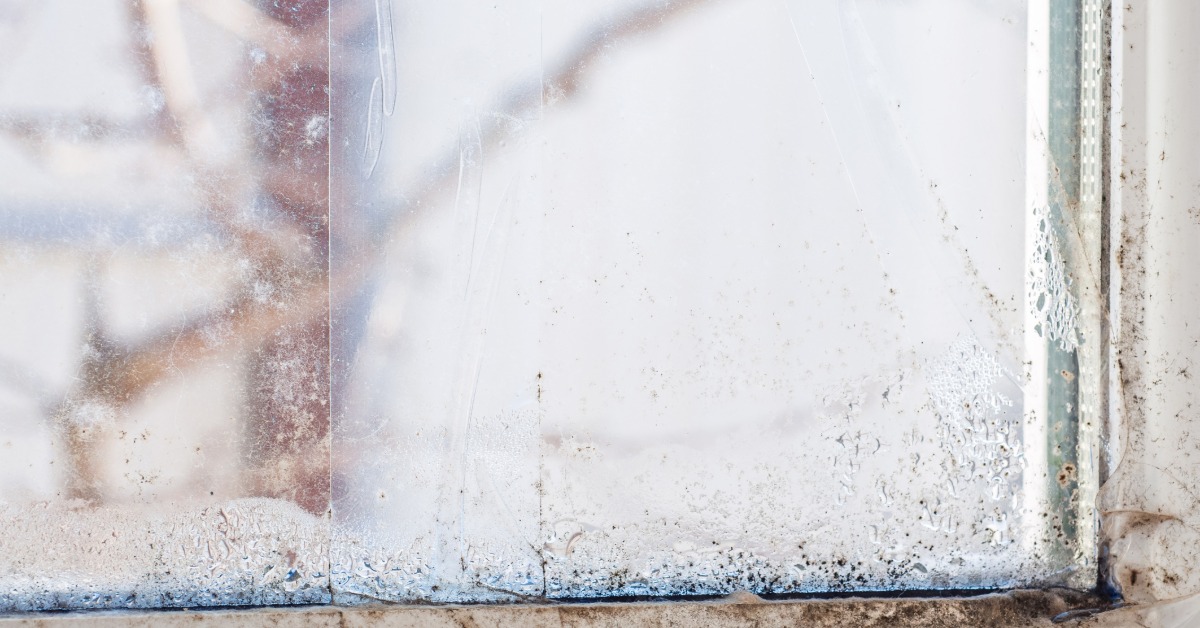
Water stains on drywall or trim can point to leakage around the opening. Changes in paint or finish may also suggest that moisture has started affecting the surrounding materials. Condensation can also provide a clue. While moisture between panes usually points to glass seal failure, moisture collecting around the interior edge of the frame may reflect air infiltration tied to a poor fit.
A musty smell near a window can signal hidden dampness inside the wall. That odor may indicate that water has been present long enough to affect insulation or wood components behind the surface.
Drafts can also suggest that installation quality is poor. Air leakage does not always mean water leakage, but both problems often come from the same gaps or sealing failures.
Exterior Warning Signs Around Window Openings
Exterior conditions often reveal water-management problems before interior damage becomes severe. Careful visual checks after rain can help homeowners notice details that deserve closer attention.
Gaps around the perimeter of the frame can allow water to move behind the exterior finish. When trim begins to separate or caulk begins to fail, the opening becomes more vulnerable.
Damage below the window can also suggest a persistent leak. Staining or softness in nearby materials often means water has been escaping from the opening and reaching areas that should remain dry.
How Water Damage Progresses Over Time
Moisture problems rarely stay limited to one visible spot. Water can move downward or inward and affect materials beyond the original point of entry.
At first, the damage may seem cosmetic. Over time, repeated moisture can weaken framing, damage insulation, and create conditions that support mold growth.
This progression often increases repair costs. A small leak caught early may only require targeted correction, while long-term exposure can lead to more extensive restoration work.
How Poor Installation Affects Energy Efficiency
Water intrusion and air leakage often develop together. When the frame does not seal properly, outside air enters the home and conditioned air escapes.
That loss affects comfort in every season. It can also increase heating and cooling demand, which reduces the value of any window investment.
Scientific Home Services helps homeowners address energy-efficiency loss caused by aging or underperforming windows. Correct installation plays a central role in improving performance and protecting the home.
Repair Or Replace: What Makes Sense?
Not every leak requires full replacement. In some situations, technicians can correct a localized installation problem and restore proper performance without removing the entire unit.
Replacement becomes the stronger option when the window has multiple issues or when water has caused broader damage. Rot, distortion, and repeated leakage often point to a problem that repair alone may not solve for long.
The condition of the surrounding opening also matters. When moisture has already affected the rough opening or nearby framing, a full removal and reinstall may offer the most reliable long-term result.
A professional evaluation should look at the entire opening rather than the glass alone. In some cases, the source of water may come from nearby exterior materials rather than the window itself.
Why Professional Inspection Matters
Window leaks often create misleading symptoms. Staining may show up far from the true entry point, and water can travel through the structure before becoming visible indoors.
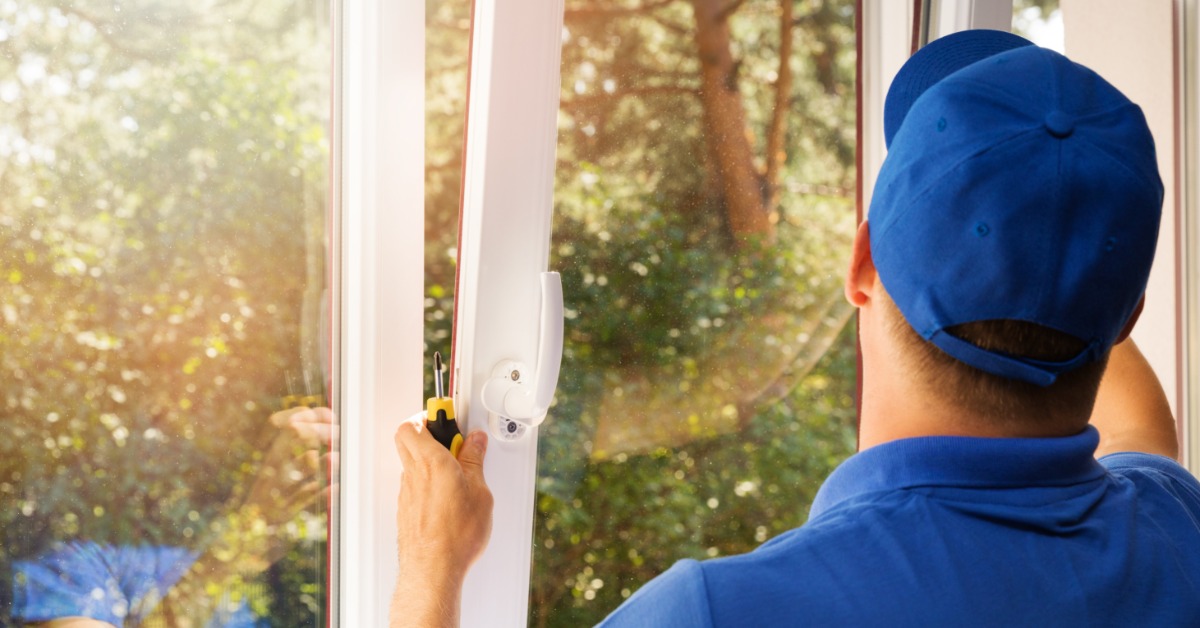
A professional inspection helps identify the source of failure. Experienced crews can assess the fit of the unit, the sealing details, the flashing, and the condition of the surrounding materials.
Homeowners searching for professional window installation in Chicago should choose a company that understands both product quality and field installation. Strong installation practices protect the home and reduce the risk of future water damage.
Scientific Home Services serves homeowners in and around Chicago. In-house installation, fair pricing, and attentive service support our company’s value for local homeowners.
Steps Homeowners Can Take After Spotting A Problem
Fast action can limit further damage. When homeowners notice moisture, staining, or ongoing drafts near a window, an inspection should follow before the issue worsens.
Seasonal observation can also help homeowners catch issues earlier. Watching for changes in trim, sealant, or nearby finishes can make it easier to address a problem before repairs become more extensive.
Poor window installation can affect much more than comfort, which is why it’s important to be able to identify it. Homeowners who respond early often have more repair options and lower restoration costs. A professional inspection can identify the cause, define the extent of the damage, and recommend the right next step.
For homeowners in the Chicago area dealing with leaking windows, drafty frames, or signs of moisture damage, Scientific Home Services can help with window repair, replacement, and expert installation. Contact Scientific Home Services to schedule an evaluation and get dependable guidance for long-term window performance.