
Why Window Condensation Is a Cause for Repair
November 18, 2025
When To Choose Wood Clad Over Full Window Replacement
December 9, 2025
Choosing new windows for your home is a big decision. Windows define your home’s character, influence its energy efficiency, and connect your living spaces to the world outside. The right style can elevate your home’s architectural beauty, while the wrong choice can feel out of place.
Windows also impact your daily life; they determine the lighting in a room and the outdoor noise you hear. Plus, they’re critical components of your home’s thermal envelope, helping to keep it comfortable through changing seasons.
There are many options available, from classic double-hung to expansive picture windows. So, how do you decide what’s best style of window for your home? It involves balancing aesthetics, functionality, and your home’s unique needs.
Double-Hung and Single-Hung Windows
Double-hung and single-hung windows are among the most popular choices for American homes. Their classic design fits well with a variety of architectural styles, from colonial to craftsman.
Single-Hung Windows
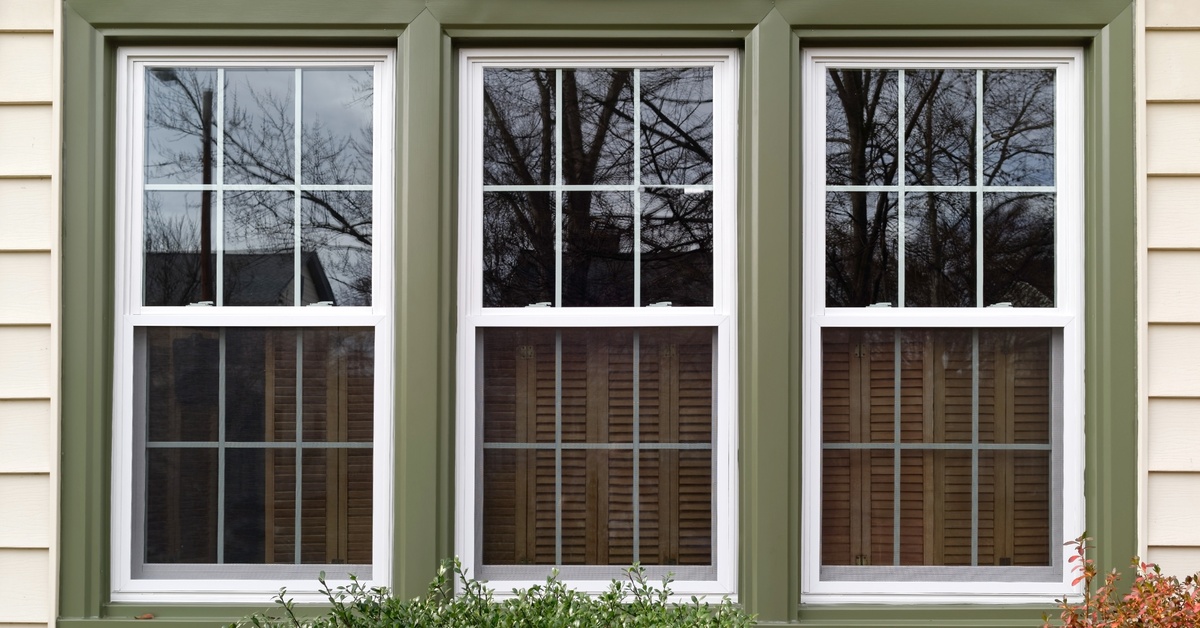
Only the bottom sash moves up and down on single-hung windows, while the top sash remains stationary. This design is simple, effective, and often more cost-effective. It provides good ventilation and is a reliable choice for many homeowners. Because they have fewer moving parts, these windows can sometimes offer a slightly better seal against air infiltration than their double-hung counterparts.
Double-Hung Windows
A double-hung window features two operable sashes, both of which can slide up and down. This dual action provides better ventilation control, allowing you to open the top and bottom sashes simultaneously. This feature is particularly useful for promoting air circulation, as cool air can enter through the bottom while warm air escapes through the top. Additionally, the ability to tilt both sashes inward makes cleaning the exterior glass from inside the house simple and safe.
Casement Windows
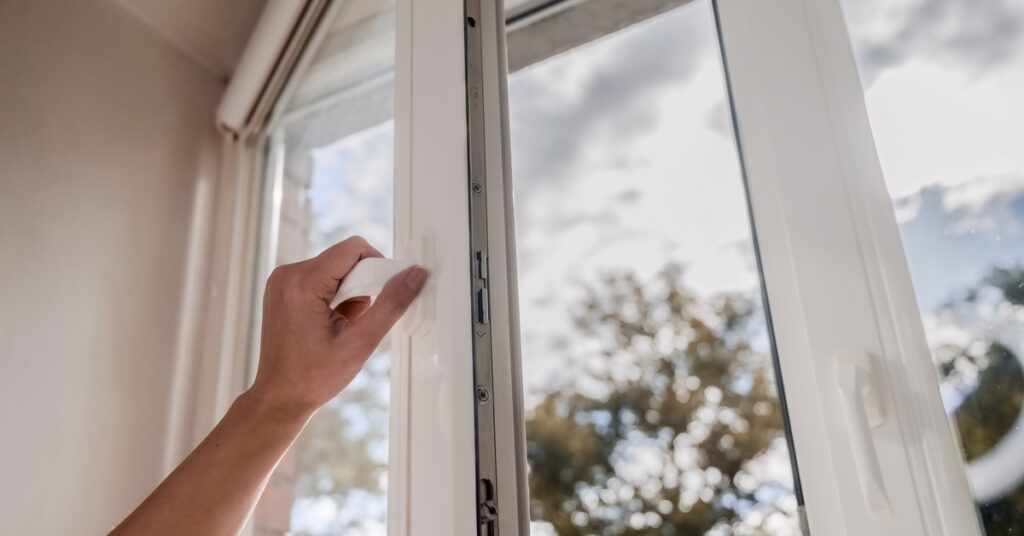
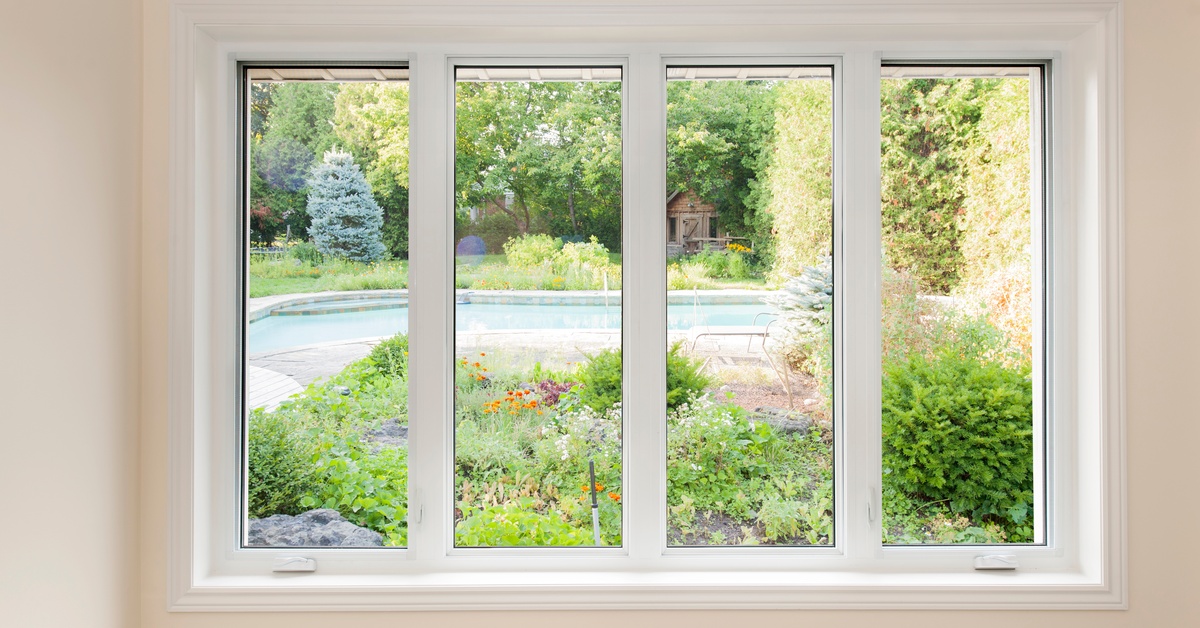
Casement windows are hinged at the side and open outward, and you operate them with a crank handle. This style offers a clean, unobstructed view, as there is no central rail to break up the sightline. They are excellent choices for homeowners who want to maximize natural light and enjoy a clear panorama of their surroundings.
When fully open, casement windows provide excellent ventilation, catching side breezes and directing them into the home. When closed and locked, the sash presses tightly against the frame, creating an exceptionally airtight seal. This feature makes casement windows one of the most energy-efficient operable window styles available. They are a great fit for modern, contemporary, and prairie-style homes.
Awning and Hopper Windows
Awning and hopper windows are hinged styles that offer unique ventilation benefits. While similar in function to casement windows, their hinge placement sets them apart.
Awning Windows
Awning windows are hinged at the top and open outward from the bottom. This design allows you to keep the windows open for fresh air even during light rain, as the angled sash sheds water away from the opening. People often place them higher on walls in bathrooms and basements to provide privacy while still allowing for ventilation and light. You can also pair them with large, fixed windows by installing them below or above to increase airflow.
Hopper Windows
Hopper windows are the inverse of awning windows. They are hinged at the bottom and open inward from the top. This style is commonly used in basements and ground-floor rooms. The inward tilt can direct airflow upwards, and it makes cleaning from inside easy.
Sliding Windows
Sliding windows, also known as gliders, operate on a track, with one or both sashes moving horizontally. Their simple, streamlined design is a great match for contemporary and modern homes. Because they do not open outward, they are an ideal choice for areas facing walkways, patios, or other tight spaces where an outward-swinging window would be an obstruction.
Sliding windows are available in large sizes, offering expansive views and admitting plenty of natural light. They are easy to operate with a simple push, making them practical for many households.
Picture and Specialty Shape Windows
Picture windows are large, fixed panes of glass that do not open. Their primary purpose is to frame a beautiful view and maximize natural light. They are a statement feature, turning a scenic landscape into a living work of art inside your home. Because they are inoperable and fully sealed, they offer outstanding energy efficiency.
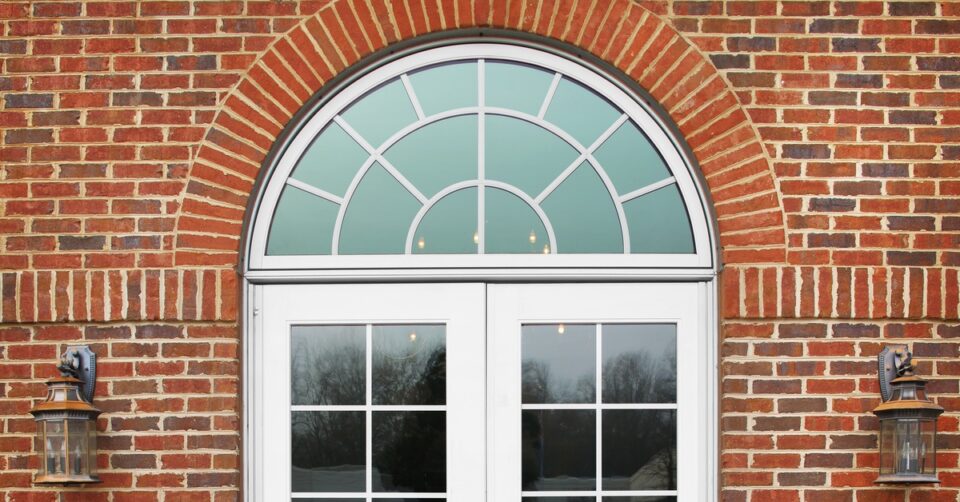
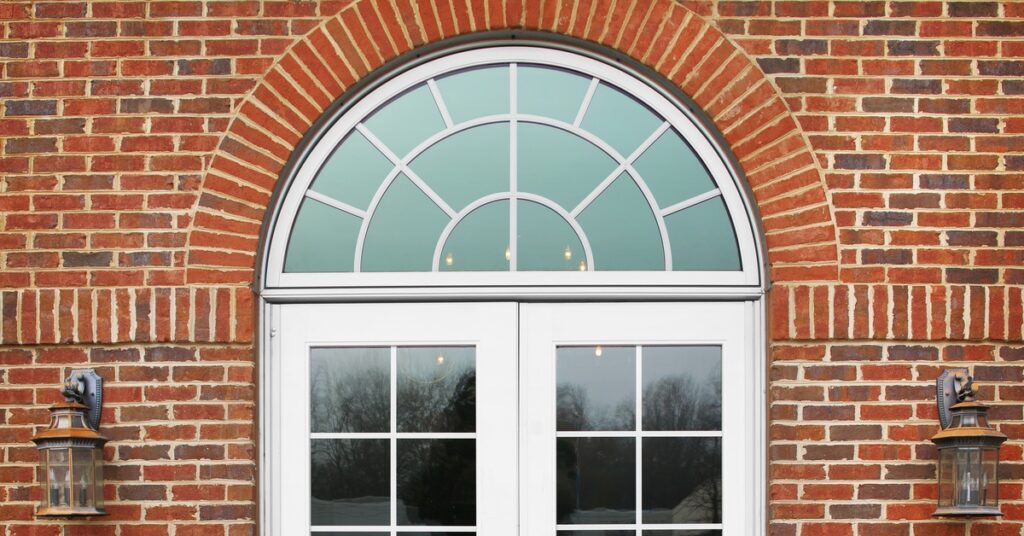
Specialty shape windows come in various geometric forms, such as circles, half-circles, triangles, and octagons. These windows serve as architectural accents, adding a custom touch to a home’s design. They are often used in gables, above doorways, or alongside other window styles to create a distinctive visual statement.
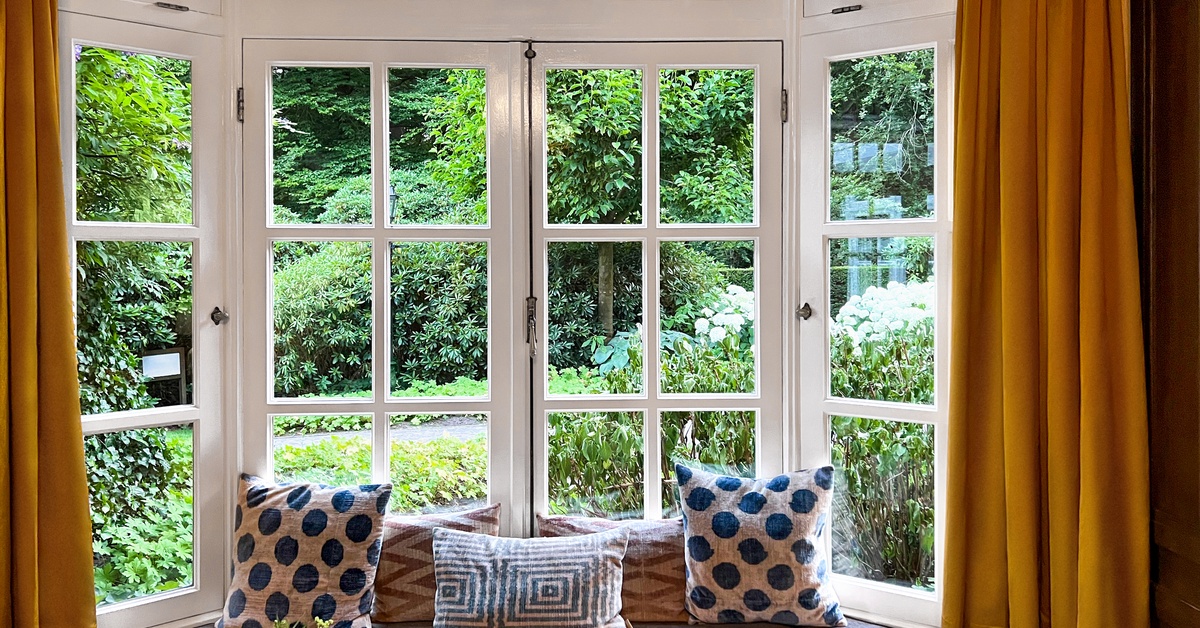
Bay and Bow Windows
Bay and bow windows project outward from a home’s exterior wall, creating more interior space and adding architectural interest. A bay window typically consists of three window panels. A large, central picture window is flanked by two smaller, operable windows, often double-hung or casement styles. The side windows are angled, creating a spacious nook inside.
A bow window is composed of four or more window panels of the same size, arranged in a gentle curve. This creates a more rounded, sweeping appearance from both the inside and outside. Both styles dramatically increase the amount of natural light entering a room and provide panoramic views. The interior space they create is often used as a reading nook, a window seat, or a display shelf for plants. They are fantastic additions to living rooms, dining rooms, and primary bedrooms.
Find the Right Fit for Your Home
Ultimately, deciding what’s the best style of window for your home comes down to your personal preferences, your home’s architecture, and your functional needs. Consider how you use each room and what you want from your windows—whether it’s maximum ventilation, an unobstructed view, or easy cleaning. Many homeowners find that a combination of different window styles works best to meet the varied needs of their living spaces.
Making the right choice can improve your home’s comfort, value, and curb appeal. If you’re considering a home window replacement in Chicago, expert advice is invaluable for navigating local requirements and ensuring a high-quality installation. Contact Scientific Home Services today for a personalized consultation, and get ready to improve your home with new windows.