
7 Benefits of Using Foam Filling In Vinyl Windows
August 7, 2026
6 Differences Between Insert and Full-Frame Installation
August 20, 2026
Aluminum-clad wood windows combine a warm interior finish with a weather-resistant exterior. The aluminum layer helps protect the wood from moisture and routine outdoor exposure.
Cladding thickness can affect durability and resistance to dents. However, thickness standards can vary by manufacturer and product design. Keep reading to learn more about the thickness standards for aluminum cladding windows for your next project.
Is There One Required Cladding Thickness?
No single universal thickness applies to every aluminum-clad wood window. Manufacturers design cladding around each window line and its performance goals.
Industry standards often address aluminum material quality or coating performance. ASTM B209 covers aluminum sheet requirements across listed alloys and tempers.
Fenestration standards also focus on completed window performance. Testing may evaluate structural strength plus resistance to air and water. This approach matters because a thicker exterior cannot correct weak joints. It also cannot correct poor drainage or careless installation.
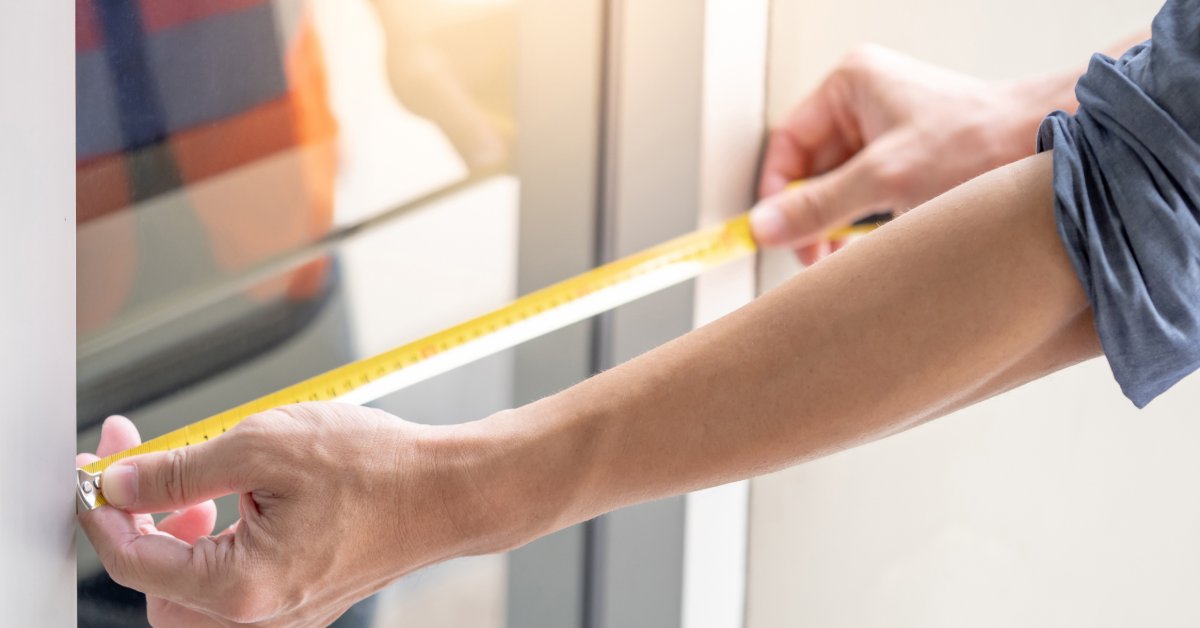
How Aluminum Thickness Gets Measured
Manufacturers usually state cladding thickness in inches, but some specifications use mils instead. One mil equals one thousandth of an inch. A thickness of 0.024 inches therefore equals 24 mils.
Homeowners should not confuse mils with millimeters. The terms describe different measurement systems.
Published thickness may refer to the base metal before finishing. Paint or another coating can add a small amount to the finished surface. Product documents should explain the stated measurement. A window professional can also request technical specifications from the manufacturer.
Common Thickness Ranges
Clad wood window products often use thin-formed aluminum. The selected gauge must bend around detailed frame and sash shapes without cracking.
Some products use cladding near 0.019 inch. Other products may use aluminum near 0.024 inch or thicker.
These figures represent common product specifications rather than a universal rule. Exact values vary by manufacturer and product series.
A thicker number may suggest greater dent resistance. However, the alloy and temper also affect stiffness. Profile shape can increase strength without a major thickness change.
Why Alloy and Temper Matter
Aluminum alloy describes the metal composition. Temper describes the mechanical or thermal treatment applied during production. Different combinations change formability and strength. A cladding profile needs enough flexibility for manufacturing plus enough rigidity for service.
A thicker, soft alloy may not outperform a thinner engineered profile. Direct comparisons should use complete product data.
ASTM material specifications help manufacturers define acceptable sheet properties. Those specifications do not select one ideal thickness for every window.
Why Finish Standards Matter
Exterior aluminum needs a durable finish. The finish protects appearance and helps the surface resist weather exposure.
AAMA 2603 through AAMA 2605 address organic coatings at different performance levels. AAMA 611 addresses anodized architectural aluminum. These standards focus on finish quality rather than base cladding thickness. Testing can examine characteristics such as adhesion and weather resistance.
Coating performance can matter as much as metal gauge. Poor surface preparation can shorten finish life even on thicker aluminum.
What Thickness Can Affect
Cladding thickness influences several practical characteristics. It should still remain one part of a broader product review.
Key considerations include:
- Resistance to dents during shipping
- Ability to hold formed edges
- Stability across broad exterior surfaces
- Compatibility with the selected finish
- Manufacturing and material costs
Thicker cladding may handle minor impacts better. Yet profile geometry often controls stiffness around corners and returns. Very thin metal can show dents or waves more easily. Proper forming and secure attachment can reduce those concerns.
What Thickness Cannot Guarantee
A gauge number does not prove that a window will resist leaks. Water management depends on the full assembly. Cladding joints need proper overlap and sealing. Drainage paths must also remain open.
The installation must connect the window to the wall correctly. Flashing and sealant need compatible materials plus careful placement. A strong product can still fail after poor installation. Correct sizing and fastening also affect long-term operation.
Energy performance depends mainly on the whole window system. Glass selection and frame construction often have greater influence than exterior cladding gauge.
How Climate Affects Cladding Performance
Chicago area homes face heat and cold across the year. Aluminum expands and contracts as temperatures change. Moisture also creates risks at damaged edges. Properly finished aluminum offers strong weather resistance under normal service conditions.
Salt and pollutants can affect exterior surfaces over time. Routine cleaning helps remove deposits before buildup occurs.
Thickness can provide some physical durability. Finish quality and drainage remain essential in a demanding climate.
How to Compare Product Specifications
Homeowners should request more than one thickness number. A useful comparison includes material and performance information. Ask about the base aluminum thickness. The supplier should also identify the alloy and temper.
Request the applicable coating specification. Product performance ratings and finish warranty terms also deserve review. These details provide better context for the gauge. The information also shows whether the manufacturer supports the cladding as a complete system.
Product lines can use different cladding designs. A premium line may use a different profile or finish without a large gauge change. The best comparison uses equivalent window types and sizes. Large units can have different structural needs than small units.
Installation Quality Still Matters
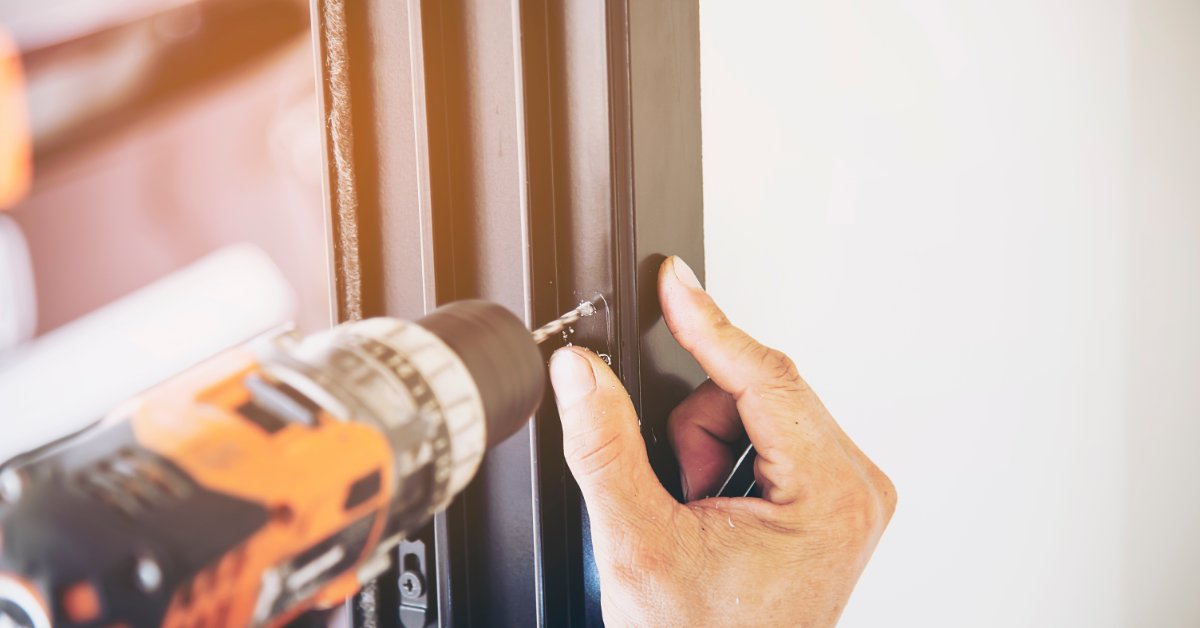
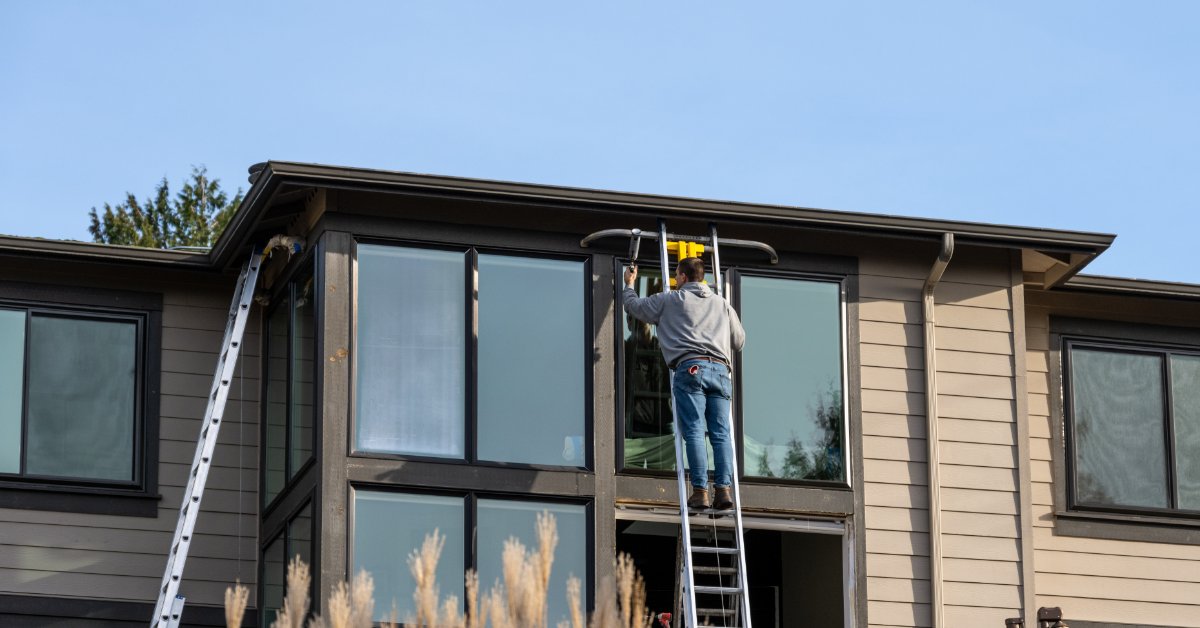
Successful wood clad window installation starts with accurate measurements. The opening must support the selected unit without forcing the frame. Installers need to keep the frame square and level. Fasteners must follow the product instructions.
Exterior flashing directs water away from the opening. Sealant closes designated joints while preserving drainage paths.
Cladding should not receive unnecessary field cuts. Any required cut needs proper treatment under manufacturer guidance. Careful handling also protects the finish. Scratches can expose the base metal and reduce the appearance of a new window.
Questions to Ask Before Purchase
A few direct questions can reveal how well a product fits the project. Ask whether the quoted thickness covers the frame and sash. Some components may use different materials or profiles.
Ask which finish standard applies. The supplier should explain how the warranty handles fading or chalking.
Request the full product warranty before signing. Warranty exclusions can explain required maintenance and approved cleaning methods.
Confirm who will complete the installation. An experienced in-house team can maintain better control over scheduling and workmanship.
Choosing Aluminum-Clad Wood Windows
Aluminum cladding thickness standards deserve attention before a project. It offers a useful comparison point when product documents report it clearly.
The best window pairs suitable metal with a durable finish. Strong design and careful installation complete the system.
Homeowners should avoid choosing by gauge alone. A window professional can compare product construction and local installation needs.
Scientific Home Services supplies and installs window options for homeowners in Chicago and nearby communities. Contact Scientific Home Services to discuss wood clad window installation and select a suitable system for the home.