
6 Differences Between Insert and Full-Frame Installation
August 20, 2026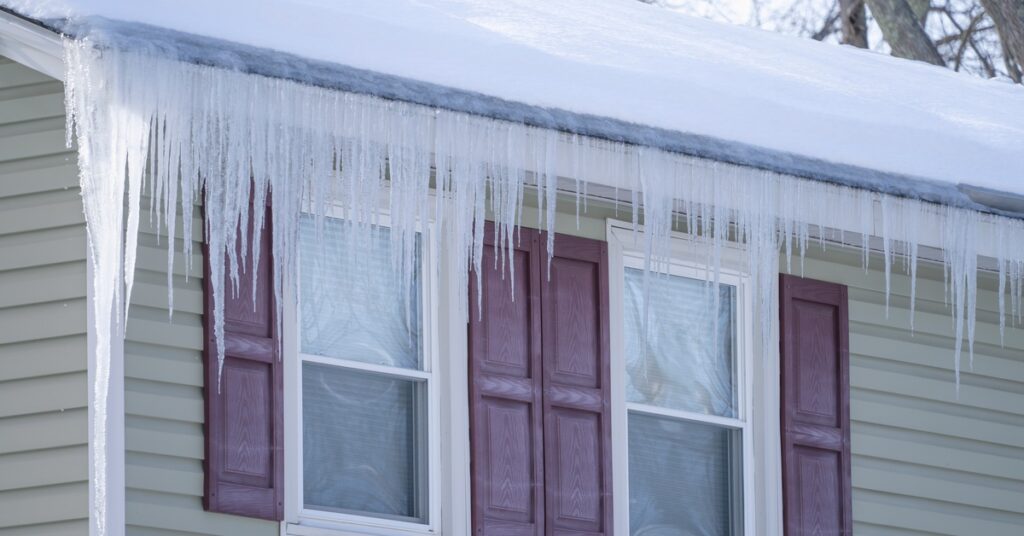
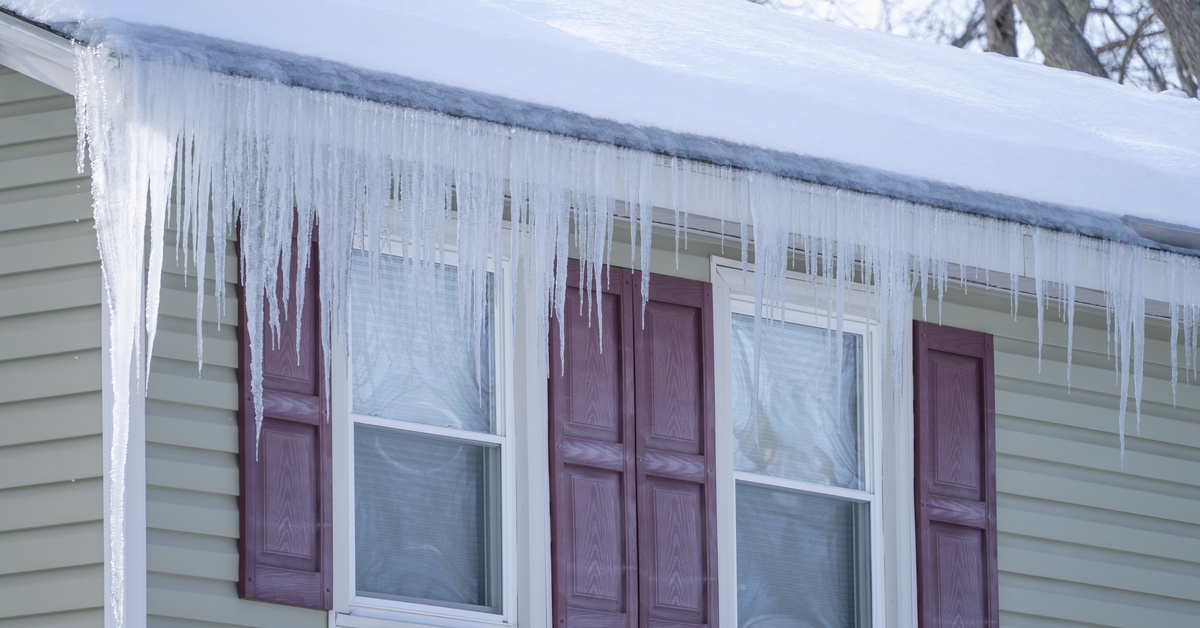
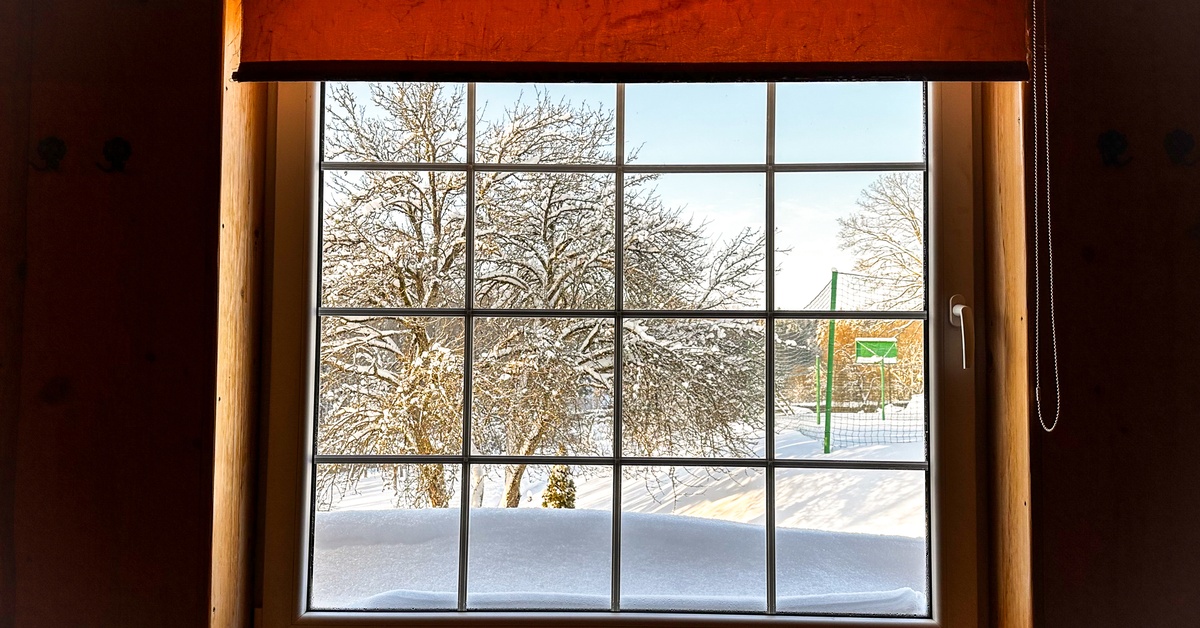
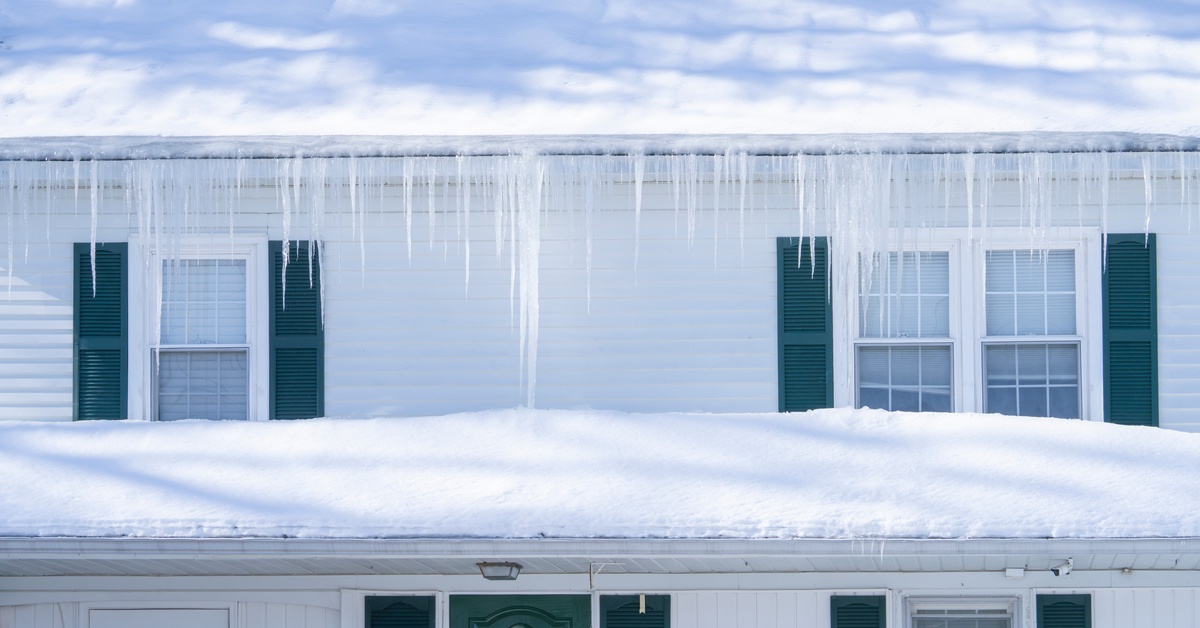
Chicago winters put windows through conditions that homeowners in milder climates rarely have to consider. Cold temperatures and strong winds can expose weaknesses in glass, frames, seals, and installation. A window that seems perfectly adequate during October may feel very different when January temperatures arrive.
That makes energy-performance information especially useful when homeowners compare new windows. National Fenestration Rating Council (NFRC) ratings give homeowners standardized measurements that help them evaluate how different window configurations perform.
Knowing what those numbers mean can make choosing windows for a Chicago home much less confusing. Let’s take a look at NFRC ratings for Chicago winters and how they apply to your home’s windows.
What Are NFRC Ratings?
The NFRC provides independent energy-performance ratings for windows, doors, and skylights. Rather than relying solely on broad manufacturer claims, homeowners can use these ratings to compare products according to standardized performance measurements.
An NFRC label commonly includes performance information, such as U-Factor and Solar Heat Gain Coefficient. The NFRC explains that U-Factor measures how well a product keeps heat from escaping, while Solar Heat Gain Coefficient measures how much solar heat enters through the product.
These numbers matter because two windows that look almost identical can perform quite differently. Glass coatings, frame construction, and other design choices can change the final ratings.
Why U-Factor Matters During Chicago Winters
U-Factor deserves particular attention in a cold-weather climate. This rating measures the rate of heat transfer through the complete window assembly. According to the NFRC, lower U-Factor numbers indicate better performance at keeping heat inside a room.
That difference becomes noticeable when outdoor temperatures fall well below freezing. A window with stronger insulating performance helps reduce the rate at which indoor heat travels outside. Homeowners may notice warmer interior glass surfaces and fewer uncomfortable cold areas near windows.
U-Factor also evaluates more than the center portion of the glass. Because the rating applies to the complete window product, it gives homeowners a more useful comparison than focusing on glass specifications alone.
Understanding Solar Heat Gain Coefficient
Solar Heat Gain Coefficient, usually shortened to SHGC, measures how much solar heat enters through a window. The rating falls between zero and one. Lower numbers indicate greater resistance to solar heat gain, while higher numbers allow more solar heat through.
For Chicago homes, SHGC requires a little more thought than simply choosing the lowest available number. Winter sunlight can provide useful passive warmth, especially through windows that receive significant direct sun. However, excessive solar gain can make rooms uncomfortable during warmer months.
Window orientation can therefore influence the ideal glass package. A professional can consider where each window sits, how much sunlight reaches it, and whether nearby buildings or trees provide shade before recommending a configuration.
Visible Transmittance Affects Natural Light
Energy performance should not make a home feel like a cave. Visible Transmittance, or VT, indicates how effectively a window allows daylight into a home. A higher number means the product permits more natural light through the window.
Different coatings and glass packages can change VT even when the windows otherwise look similar. Homeowners who value bright rooms should consider this measurement alongside U-Factor and SHGC, rather than judging performance by a single number.
Natural light can feel particularly valuable during Chicago’s shorter winter days. Choosing efficient windows with appropriate visible transmittance can help maintain a bright interior while still addressing cold-weather performance.
Condensation Resistance Can Provide Useful Context
Winter often creates a major temperature difference between the inside and outside of a window. Under the right conditions, moisture in warm indoor air can condense when it reaches a sufficiently cold surface. That’s why homeowners often notice window condensation in colder weather.
The NFRC’s Condensation Resistance rating indicates how well a product resists condensation formation. Unlike U-Factor, a higher Condensation Resistance number indicates better resistance.
Homeowners should remember that windows represent only part of the condensation equation. Indoor humidity, outdoor temperature, ventilation, and household activities also affect moisture levels. Still, comparing condensation performance can provide useful information when selecting windows for a cold climate.
Pay Attention to Air Leakage
Anyone who has sat beside a drafty window during a Chicago winter understands why air movement matters. Air Leakage measures the amount of air that passes through a window assembly. The NFRC lists Air Leakage on a scale with ratings at or below 0.3, with lower leakage indicating less air infiltration.
When reviewing window performance, homeowners should consider several NFRC measurements together:
- U-Factor for resistance to heat transfer
- SHGC for solar heat entering the home
- Visible Transmittance for natural daylight
- Condensation Resistance for resistance to moisture formation
- Air Leakage for unwanted air infiltration
Looking at the complete performance picture provides far more information than concentrating on one impressive number.
Glass Packages Can Change the Ratings
Homeowners sometimes assume that every window within a particular product line carries identical performance numbers. In reality, the exact configuration can change those numbers considerably. NFRC’s certified product directory demonstrates how different glass, coating, grid, and gas-fill combinations within one series can produce different NFRC values.
Low-emissivity coatings provide a good example. Manufacturers can offer different Low-E configurations depending on the desired balance between insulation, solar heat control, and visible light. Argon-filled insulating glass can also improve thermal performance.
Ratings Cannot Compensate for Poor Installation
Strong NFRC ratings tell homeowners how a window performs under standardized testing conditions, but the window still needs proper installation. Gaps, insufficient sealing, damaged components, or other installation problems can undermine real-world comfort.
The existing opening also deserves attention. Older Chicago homes can have window openings with deterioration or previous modifications. Those conditions may affect the appropriate installation approach.
Homeowners considering Chicago window replacement should therefore evaluate both product performance and installation quality. Selecting a well-rated window is a strong start, but careful installation helps it deliver the performance homeowners expect.
Choosing Ratings for the Entire Home
The best window choice does not always mean chasing the lowest U-Factor or selecting the same glass package for every opening. Home design, existing construction, budget, and comfort priorities all influence the decision.
A large south-facing window may require different considerations than a smaller opening that receives little direct sunlight. Likewise, a homeowner who struggles with cold rooms may prioritize thermal performance differently from someone trying to reduce intense afternoon sun.
NFRC ratings make these conversations easier because they provide measurable information. Instead of relying on vague terms such as “energy efficient,” homeowners can compare specific performance characteristics and choose windows that fit their property.
Make NFRC Ratings Work for Your Chicago Home
Chicago winters give homeowners plenty of reasons to take window performance seriously. NFRC ratings describe the different parts of that performance, so no single number tells the entire story.
Scientific Home Services can help homeowners evaluate existing windows, identify performance concerns, and determine whether repair or replacement offers the right solution.
When replacement makes sense, understanding NFRC ratings can help narrow options and better balance winter comfort with year-round performance. Contact Scientific Home Services to discuss your windows and find an option suited to the demands of a Chicago home.