
Block and Tackle vs. Coil Balances in Vinyl Windows
October 6, 2026
Double-hung windows offer a classic look and practical ventilation, which is why so many older homes still feature them. However, years of regular use can weaken the sash cords that help the window move smoothly. When a cord breaks or wears down, opening the window can quickly become frustrating.
Sash cord replacement for double hung windows restores proper movement without requiring homeowners to replace an otherwise serviceable window. Understanding how the sash system works, why cords fail, and what professional replacement involves can help homeowners make a practical repair decision. Timely service can also prevent unnecessary strain on other window components.
How Sash Cords Help Double Hung Windows Operate
Traditional double hung windows use a balancing system that connects each movable sash to hidden counterweights. Sash cords run from the window sash over pulleys and connect to those weights inside pockets along the frame. The counterweights offset the sash weight, which allows homeowners to raise and lower the window with less effort.
When the cords remain intact and properly positioned, the window should move smoothly and stay at the desired height. A damaged cord disrupts that balance and forces the homeowner to support more of the sash’s weight manually. The problem often becomes obvious when the window suddenly feels heavier than usual.
Common Reasons Sash Cords Wear Out
Sash cords handle repeated tension every time someone opens or closes the window. Over many years, friction against pulleys and other components gradually wears the cord fibers. Age can also make older cord material brittle, especially in windows that have gone decades without repairs.
Moisture, dirt, paint buildup, and poorly moving hardware can add stress to the system. A sash that binds against the frame may require extra force to move, and that force transfers to the cords. Eventually, weakened material can fray or snap during normal window operation.
Signs Your Window Needs Sash Cord Replacement
A completely broken sash cord often creates an obvious problem, but homeowners may notice smaller warning signs before total failure occurs. Paying attention to changes in window movement can help identify deterioration early. Older windows deserve particular attention when their service history remains unknown.
Common signs of sash cord trouble include:
- A sash that drops after you raise it
- One side of the sash sitting lower than the other
- Frayed or visible cord material near the sash
- A window that suddenly feels unusually heavy
- Uneven or jerky movement while opening the window
- Rattling or unusual movement inside the weight pocket
These symptoms don’t always mean the window needs a full replacement. In many cases, the frame and other major components remain functional. Replacing worn cords can restore normal operation while preserving much of the original window assembly.
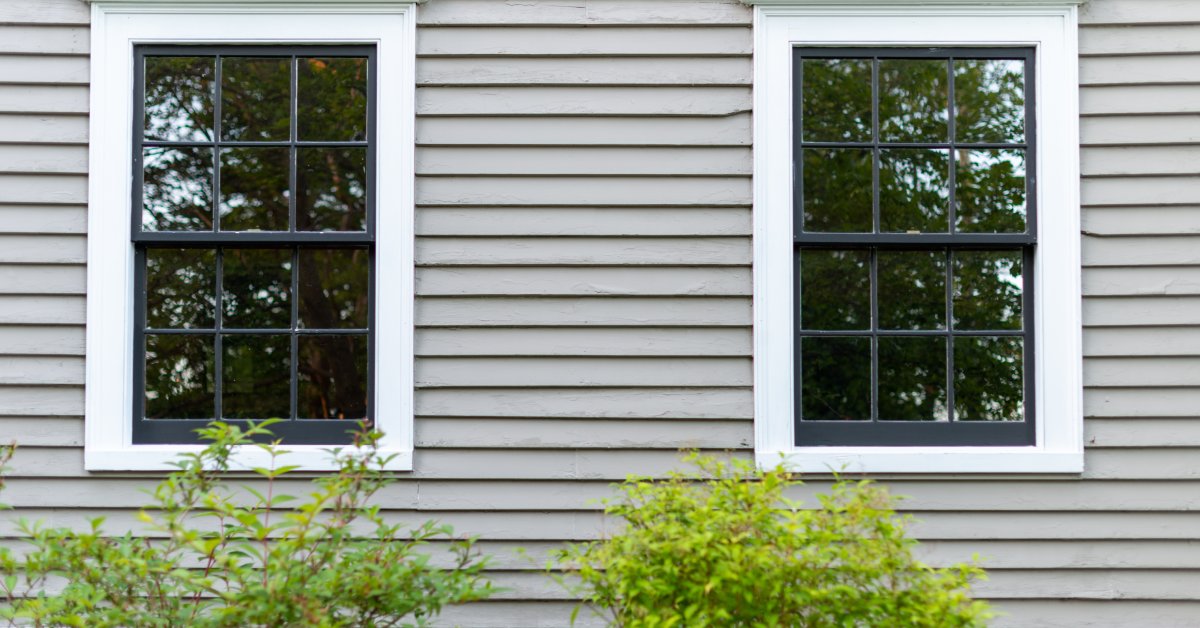
Why Broken Cords Make Windows Difficult to Use
A double hung window relies on balance rather than brute force. When one cord fails, the remaining side cannot distribute the sash weight evenly. The sash may tilt, bind against the frame, or refuse to stay where the homeowner places it.
Operating an unbalanced sash can also create additional wear. Forcing the window may strain the remaining cord, pulley, sash joints, or surrounding frame components. Prompt cord repair helps restore the balance the original window system needs for comfortable daily use.
What Happens During Sash Cord Replacement
Sash cord replacement requires access to components that homeowners cannot normally see. A window professional typically carefully removes the necessary trim or sash components, then accesses the weight pockets within the frame. The technician removes damaged cord material and inspects the pulleys, weights, and attachment points.
Next, the technician installs properly sized replacement cord and reconnects the sash to its counterweights. Correct cord length matters because the weights need enough travel to support the sash throughout its operating range. The technician then reassembles the window and tests movement to confirm smooth, balanced operation.
Careful work matters especially in older homes where trim, paint layers, or aging wood require a measured approach. An experienced residential window professional can complete the repair while minimizing unnecessary disturbance to surrounding materials.
When Repair Makes More Sense Than Window Replacement
A broken sash cord does not automatically justify buying an entirely new window. If the sash, frame, glass, and major structural components remain usable, replacing the cord may solve the immediate operating problem. This targeted approach lets homeowners address the failed component without discarding functional materials.
Repair can make particular sense for older homes with original wood windows or architectural details that homeowners want to preserve. Maintaining those windows can support the property’s existing appearance while restoring everyday usability. A professional inspection can determine whether sash cord replacement provides a reasonable long-term solution.
However, homeowners should consider the window’s complete condition rather than focusing only on the cord. Severe rot, extensive frame damage, recurring water intrusion, or multiple failing components may change the repair calculation. A qualified window specialist can explain which problems require attention and whether additional work makes financial sense.
Why Professional Sash Cord Repair Can Save Trouble
Sash cord replacement may look simple from the outside, but the work involves more than tying a new rope to the sash. Technicians need to access concealed weights, route the cord correctly through pulleys, calculate the right cord length, and reassemble the window without damaging nearby trim. Mistakes can leave the sash poorly balanced.
Older windows can introduce additional complications. Previous repairs, heavy paint buildup, damaged pulleys, missing weights, or modified trim can make the job less straightforward than expected. Professional service gives homeowners access to someone who can identify these conditions before they cause another operating problem.
Window specialists can also recognize when a sash cord issue connects to broader window deterioration. A homeowner searching for services such as aluminum window repair in Chicago may encounter windows with very different balancing systems, materials, and repair requirements. Accurate diagnosis helps ensure that each window receives work suited to its actual construction.
Choosing the Right Approach for Older Double Hung Windows
Older windows often contribute significantly to a home’s architectural style, so replacing them should not become the automatic response to every mechanical problem. Sash cord replacement lets homeowners fix a specific failure while retaining original materials when their condition supports repair. This approach can balance function and budget.
A residential window specialist should evaluate more than the visible cord. Pulley condition, sash alignment, counterweights, frame integrity, and previous modifications can all influence the repair. A thorough assessment helps homeowners understand whether the problem involves one failed cord or several components that need attention.
Restore Smooth Operation With Sash Cord Replacement
Sash cord replacement for double hung windows can give an older window a much more useful future. By restoring the connection between the sash and its counterweights, this repair helps the window open smoothly and remain at the desired height without unnecessary effort.
Homeowners who notice dropping, sticking, tilting, or unusually heavy sashes should arrange an inspection before continued use creates more wear. Scientific Home Service can evaluate the window system and recommend an appropriate repair. Professional sash cord service can preserve the function and character of double hung windows without jumping immediately to full replacement.