
Breather Tube Function in Wood Window Cladding
October 22, 2026
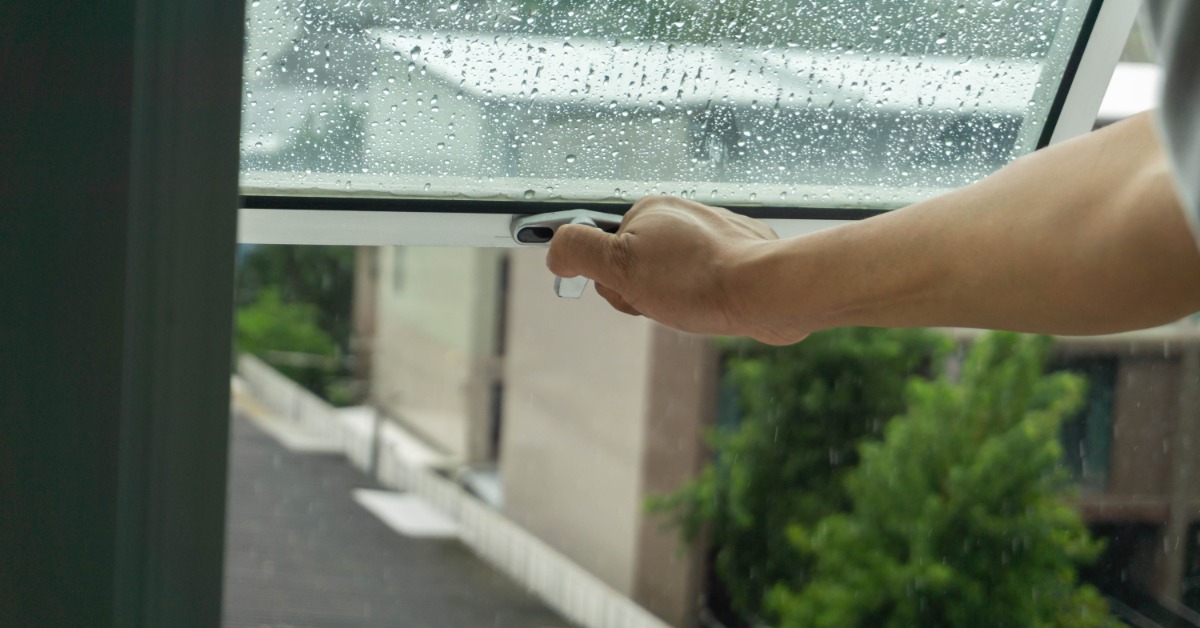
Windows do more than bring sunlight into a home. They also face rain, melting snow, wind, and changing temperatures. Even a well-sealed window can encounter moisture inside its frame, so manufacturers often provide drainage paths that guide water outdoors.
Those paths need room to work. Weep hole and drainage verification are important to help homeowners catch small obstructions before moisture causes damage. It also gives installers a practical way to confirm that a window manages water as its manufacturer intended.
How Do Window Weep Holes Work?
Weep holes are small openings near the bottom of certain window frames, particularly vinyl and aluminum designs. They let water escape from designated drainage channels before it collects inside the assembly.
Rain can reach these channels without signaling a defective window. The key question is whether the frame directs that water back outside instead of letting it reach interior materials.
Many windows use internal chambers, sloped surfaces, and exterior outlets to manage incidental moisture. Some designs include tiny flaps or covers that limit wind-driven debris while allowing drainage. Not every window uses visible weep holes, however. Homeowners should consult the manufacturer’s instructions before assuming a particular opening belongs in every frame.
Why Does Drainage Verification Matter?
A drainage opening offers little protection when debris blocks its path. Verification confirms that water can move through the intended channel and exit outside. This matters because a window may look normal while water collects in a concealed area. Repeated exposure can affect adjacent trim, insulation, and framing.
Drainage verification also helps distinguish routine water management from a genuine leak. A little moisture in a manufacturer’s drainage track may be normal, but water crossing the interior sill deserves attention. An experienced technician examines where the water enters, how it travels, and where it leaves. That approach prevents unnecessary repairs based solely on seeing water in a track.
What Happens When Weep Holes Become Clogged
Dust, pollen, insects, and outdoor debris can gather around drainage outlets. Paint or caulk can also cover openings during home improvement projects. When water loses its exit route, it may pool inside the lower frame or overflow toward the room. The resulting damage may develop slowly, especially when homeowners overlook dampness after storms.
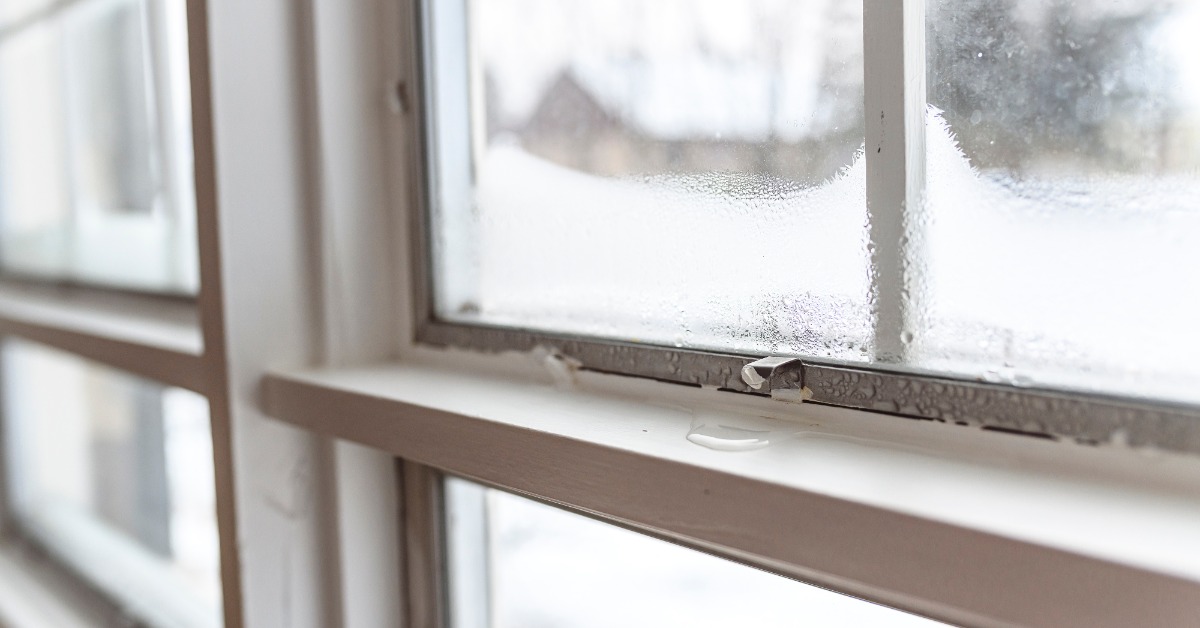
Persistent moisture can stain finishes and encourage mold growth on suitable damp surfaces. In colder weather, standing water may freeze and interfere with window operation.
Some materials can deteriorate after repeated wetting, although the severity depends on the window design and surrounding construction. Clearing a clogged opening early usually costs far less than addressing damaged interior finishes later.

How Chicago Weather Affects Window Drainage
Chicago homes experience heavy rain, freezing temperatures, and strong seasonal winds. Wind-driven rain can challenge window assemblies from unexpected directions. Snow and ice may collect along exterior sills, delaying runoff. These conditions make reliable drainage especially important for windows that use weep systems.
Temperature swings add another complication. Water that remains in a channel overnight can freeze, expand, and obstruct the next round of drainage. Homeowners should avoid chipping ice with sharp tools because those tools can damage seals or frame surfaces. Instead, they should investigate recurring ice buildup and ask a window professional to identify its source.
What To Include in a Drainage Inspection
A useful inspection looks beyond the small opening visible outdoors. The technician also checks nearby tracks, sill slopes, and any accessible drainage channels. The goal is to identify obstructions without damaging internal components or forcing water into areas that should stay dry.
During a basic visual check, homeowners can watch for several warning signs. These clues often appear before a window develops more serious moisture problems.
- Debris collecting around exterior drainage outlets
- Water lingering in tracks long after rainfall stops
- Caulk or paint covering an apparent outlet
- Damp interior trim or recurring sill stains
- Ice forming repeatedly near the lower frame
These clues justify closer attention, but they do not prove that the weep system caused the problem. A professional can assess flashing, seals, and surrounding wall conditions when the symptoms suggest a broader leak.
Why Does Proper Installation Influence Drainage?
Even a high-quality window can struggle when an installer overlooks its drainage requirements. Incorrect sill positioning, excessive sealant, or blocked exterior outlets can interfere with the manufacturer’s intended water path.
Installers must also integrate the window with the wall’s flashing and water-resistive barrier. The frame’s weep holes cannot compensate for faulty drainage around the rough opening.
During window installation in Chicago, technicians should follow the product’s specific instructions rather than applying the same sealant pattern to every unit. Some assemblies require open drainage gaps at particular locations. Careful installation and a final drainage check help protect the surrounding structure while supporting the window’s long-term performance.
Maintenance Mistakes Homeowners Should Avoid
The most common mistake involves sealing every visible gap. Homeowners sometimes mistake an intentional drainage outlet for a construction flaw and fill it with caulk. That quick fix can trap moisture exactly where the manufacturer expects water to escape. Before sealing anything near the lower frame, identify the opening and review the window’s care instructions.
Aggressive cleaning creates another risk. A stiff metal wire, high-pressure spray, or harsh chemical may damage a flap or push debris deeper into a narrow channel. Gentle surface cleaning often makes more sense for accessible openings. If a blockage persists, a qualified technician can choose a method that suits the window’s design without compromising its seals.
When To Call a Window Professional
Occasional dirt near a weep hole does not require professional service. However, recurring water on an interior sill, unexplained stains, or persistent drainage problems warrant a closer inspection. A professional can determine whether the issue involves a simple obstruction, an installation detail, or deterioration elsewhere in the assembly. That diagnosis matters because cleaning alone cannot fix every source of water intrusion.
Homeowners should also seek help when windows become difficult to open after freezing weather or when moisture repeatedly appears around surrounding drywall. Technicians can assess repair options and explain when replacement makes better financial sense. Addressing the underlying cause protects more than the glass and frame. It helps preserve the comfort and condition of the entire room.
Protect Your Windows With Reliable Drainage Checks
Weep holes and drainage verification may seem insignificant, but they support a key part of window moisture management. Regular visual checks and careful maintenance help keep intended drainage routes clear.
Just as importantly, professional verification can uncover installation or flashing issues before they become larger repairs. Homeowners should treat recurring leaks as a reason to investigate, not as an invitation to apply more caulk.
Scientific Home Services helps Chicago-area homeowners evaluate window performance and make informed decisions about repair or replacement. When drainage problems raise questions about an existing window, call us for a knowledgeable assessment that can clarify the next step.