
Sash Cord Replacement for Double Hung Windows
October 20, 2026

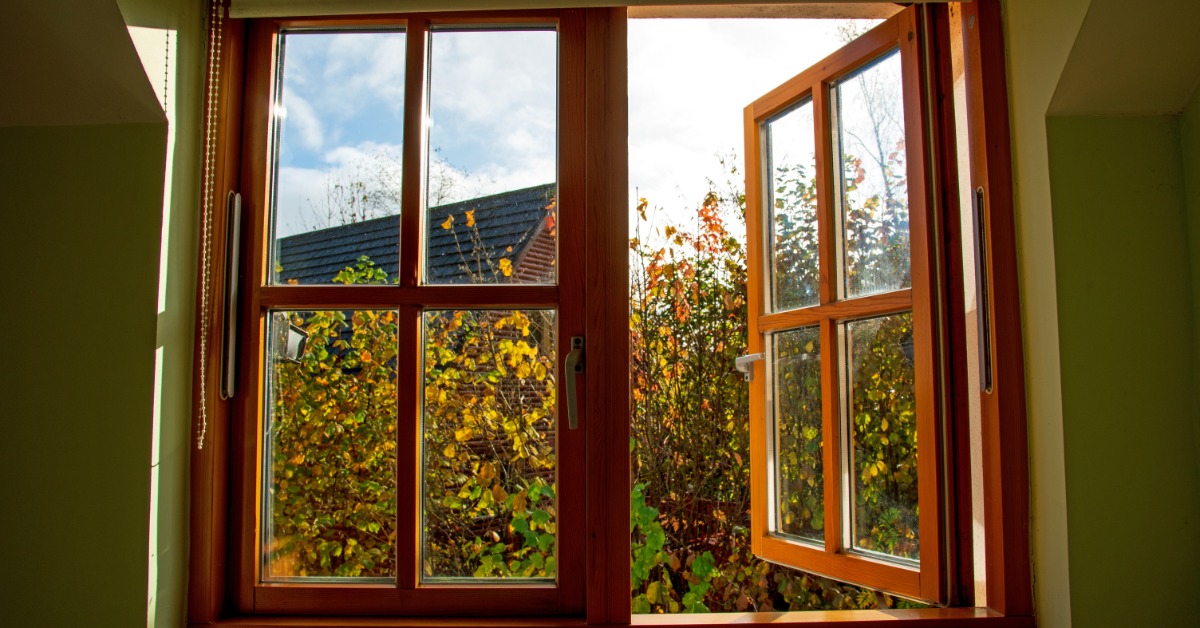
Wood-clad windows offer homeowners an attractive combination of traditional craftsmanship and modern exterior protection. Their natural wood interiors create a warm appearance, while exterior cladding helps shield the frame from harsh weather. However, these windows’ performance depends on more than their visible materials.
Small components within the window assembly can significantly influence durability and long-term efficiency. Breather tubes are one such component, especially in insulated glass units that experience significant elevation changes. These narrow passages help regulate pressure differences that could otherwise strain the glass and surrounding seals.
Understanding how breather tubes function in wood window cladding and how they differ from cladding ventilation helps homeowners make informed decisions about window maintenance and replacement.
Understanding Breather Tubes in Wood-Clad Windows
A breather tube, sometimes called a capillary tube, provides a controlled passage between the interior airspace of an insulated glass unit and the surrounding atmosphere. Manufacturers typically incorporate these components into the glass spacer system when transportation or installation conditions create substantial pressure differences.
Wood-clad windows commonly feature double-pane or triple-pane insulated glass within protective frames. Although exterior cladding protects the wood structure, breather tubes serve the glass assembly, not the cladding. Not every wood-clad window needs them, and manufacturers determine their suitability based on specific glazing requirements.
How Breather Tubes Regulate Air Pressure
Insulated glass units contain an enclosed airspace between multiple panes. When manufacturers seal these units, they establish an internal pressure that reflects the surrounding conditions. Significant elevation changes can create pressure differences between the enclosed airspace and the outdoor environment.
Breather tubes allow air to move through a narrow passage, helping the glass unit equalize pressure gradually. This process can reduce excessive glass bowing and limit unnecessary stress on the perimeter seals during transportation or installation.
Temperature fluctuations also influence internal glass pressure. However, breather tubes primarily address substantial atmospheric pressure differences rather than ordinary seasonal temperature changes. Their effectiveness depends on tube dimensions, manufacturing specifications, and whether the design permits continued airflow.
The Difference Between Breather Tubes and Cladding Ventilation
Homeowners sometimes confuse glass breather tubes with the drainage and ventilation features within wood window cladding. Although both involve air or moisture movement, these systems serve different functions and require separate maintenance.
Exterior cladding generally uses aluminum or fiberglass to protect underlying wood from direct weather exposure. Depending on the window design, manufacturers incorporate drainage paths and ventilation spaces that help manage incidental moisture within the assembly.
A glass breather tube does not remove moisture from the wood frame or drain rainwater behind exterior cladding. Likewise, cladding drainage openings cannot equalize pressure inside an insulated glass unit. Recognizing this distinction helps homeowners identify potential problems without confusing unrelated window components.

Why Pressure Management Matters for Window Performance
Excessive pressure differences can cause insulated glass panes to bow inward or outward. When these differences persist, they may place additional stress on perimeter seals and affect the appearance of reflected images.
Proper pressure management helps reduce these risks under conditions that warrant specialized glass construction. However, an open breather tube can also introduce moisture vapor into the glass cavity and affect insulating gas retention.
Manufacturers must balance pressure equalization against moisture resistance and thermal performance. Some designs require technicians to close the tube after transportation, while others follow different specifications. Homeowners should never assume every breather tube needs permanent ventilation or identical treatment.
Signs Your Wood-Clad Windows Need Professional Attention
Breather tubes remain relatively inconspicuous, so homeowners rarely identify their condition through casual observation. Still, noticeable changes in the glass or surrounding materials can signal problems that warrant closer inspection.
Watch for the following warning signs:
- Persistent condensation between panes: Moisture inside the insulated glass cavity may indicate compromised sealing or excessive moisture infiltration.
- Unusual glass distortion: Pronounced bowing or distorted reflections can suggest pressure-related concerns.
- Water stains near window edges: Discoloration may indicate drainage problems, flashing defects, or moisture entering the surrounding frame.
- Soft or deteriorating wood: Changes in wood firmness can signal prolonged moisture exposure beneath or around the cladding.
- Recurring interior drafts: Air leakage around the sash or frame may point toward worn weatherstripping or installation problems.
These symptoms do not automatically indicate breather tube failure. A qualified window specialist can examine the glass assembly and surrounding structure to determine the underlying cause before recommending repairs.
How Chicago Weather Affects Wood-Clad Windows
Chicago homeowners experience significant seasonal temperature swings, from freezing winters to humid summers. These changes cause window materials to expand and contract at different rates, making proper installation and weather protection especially important.
Wood responds to changes in moisture content, while metal cladding reacts primarily to temperature. Window manufacturers account for these differences through material selection, construction details, and carefully engineered drainage systems.
Because Chicago sits at a relatively low elevation, typical residential installations generally don’t require high-altitude breather tubes based on local weather alone. Homeowners benefit more from inspecting insulated glass quality, reliable flashing, effective weatherstripping, and manufacturer-approved moisture-management features.
The Importance of Proper Installation Techniques
Successful wood-clad window installation requires careful attention to the complete window assembly. Installers must verify frame alignment, establish dependable weather barriers, and protect manufacturer-designed drainage pathways throughout the installation process.
Even premium windows can develop problems when improper installation allows water to reach vulnerable framing materials. Inadequate flashing or poorly positioned sealants may trap moisture, eventually affecting wood components and nearby interior finishes.
When a glass unit includes a breather tube, technicians must follow the manufacturer’s specific handling and sealing instructions. Cutting, blocking, or modifying the tube without authorization can compromise the unit’s intended performance and potentially affect warranty coverage.
Maintaining Wood-Clad Windows for Long-Term Durability
Routine maintenance helps homeowners preserve the appearance and functionality of wood-clad windows. Although exterior cladding reduces direct exposure to rain and snow, homeowners should still periodically inspect surrounding seals and drainage areas.
Cleaning exterior surfaces with manufacturer-approved products helps prevent debris accumulation. Homeowners should also inspect exposed wood finishes for deterioration and check whether window sashes open and close smoothly. Regular inspections are especially valuable after severe storms or prolonged moisture exposure.
Professional inspections provide additional reassurance when condensation develops between glass panes or window components show unexplained deterioration. Rather than trying to modify hidden breather tubes, homeowners should request an evaluation that identifies the actual source of the problem.
Choosing Professional Window Services for Your Home
Wood-clad windows offer lasting appeal, but their performance depends on compatible materials, appropriate glass specifications, and experienced installation. Understanding how breather tubes function in wood-clad windows helps homeowners ask better questions about insulated glass construction and recognize when specialized pressure management matters.
Scientific Home Services provides residential window installation and repair services throughout the Chicago area, including wood-clad window solutions. Its experienced team can evaluate existing windows and help homeowners choose replacement options that suit their property’s needs.
Whether aging windows show signs of moisture intrusion or homeowners want to upgrade their home’s appearance, professional guidance supports better long-term decisions. Contact Scientific Home Services to discuss window conditions, available solutions, and dependable installation options.