Identifying Poor Window Installation and Water Damage
April 30, 2026
Chicago Building Codes for Window Replacement
May 26, 2026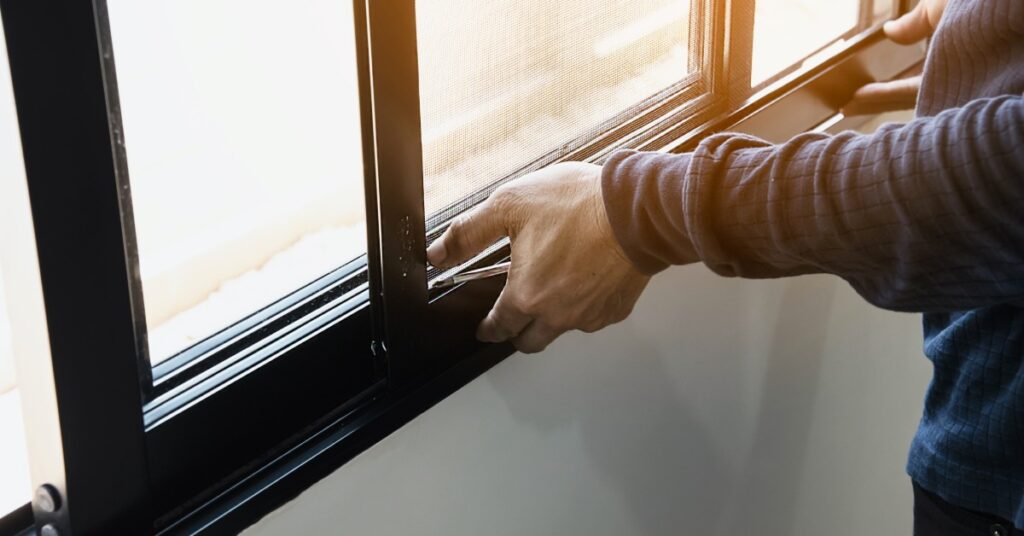
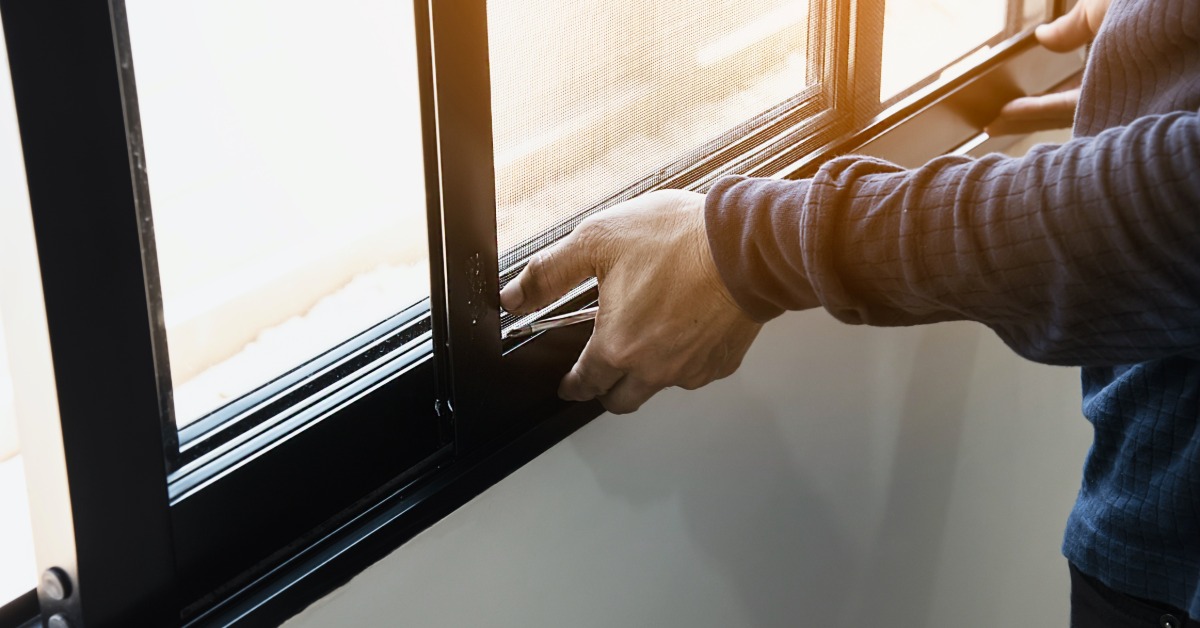
Aluminum windows can last for many years, but Chicago-area weather can create tough conditions for older frames. Moisture, temperature swings, and worn sealants can all contribute to corrosion around aluminum window frames.
Corrosion does not always mean a window needs full replacement. A professional inspection can help homeowners understand whether cleaning, resealing, part repair, or a new window will solve the problem. Keep reading to learn the basics of aluminum window frame corrosion and repair options for your home windows.
Why Aluminum Window Frames Corrode
Aluminum resists rust because it does not contain iron, but it can still corrode. Corrosion often appears as white or gray, chalky buildup on the frame surface.
This buildup forms when aluminum reacts with moisture and oxygen. In coastal areas, salty air often speeds up the process, but in the Chicago area, road salt and winter slush can create similar problems near ground-level windows.
Older windows also face more risk because the protective finish can wear down over time. Once that finish breaks down, moisture can reach the metal more easily and start damaging the frame.
Common Signs of Aluminum Frame Corrosion
Early corrosion can look minor, but small surface changes can point to larger problems. Homeowners often notice discoloration, rough texture, or powdery residue before the frame starts to weaken.
Other signs can show up around the glass, sash, or window opening. These signs may include:
- White or gray powder on the frame
- Bubbling or flaking finish
- Pitting in the aluminum surface
- Sticking or difficult window operation
- Moisture around the sill or frame
- Drafts near the window opening
Corrosion near corners or joints deserves attention because those areas help keep the window stable and sealed. A window that no longer closes properly can let in moisture and insects.
How Moisture Makes Corrosion Worse
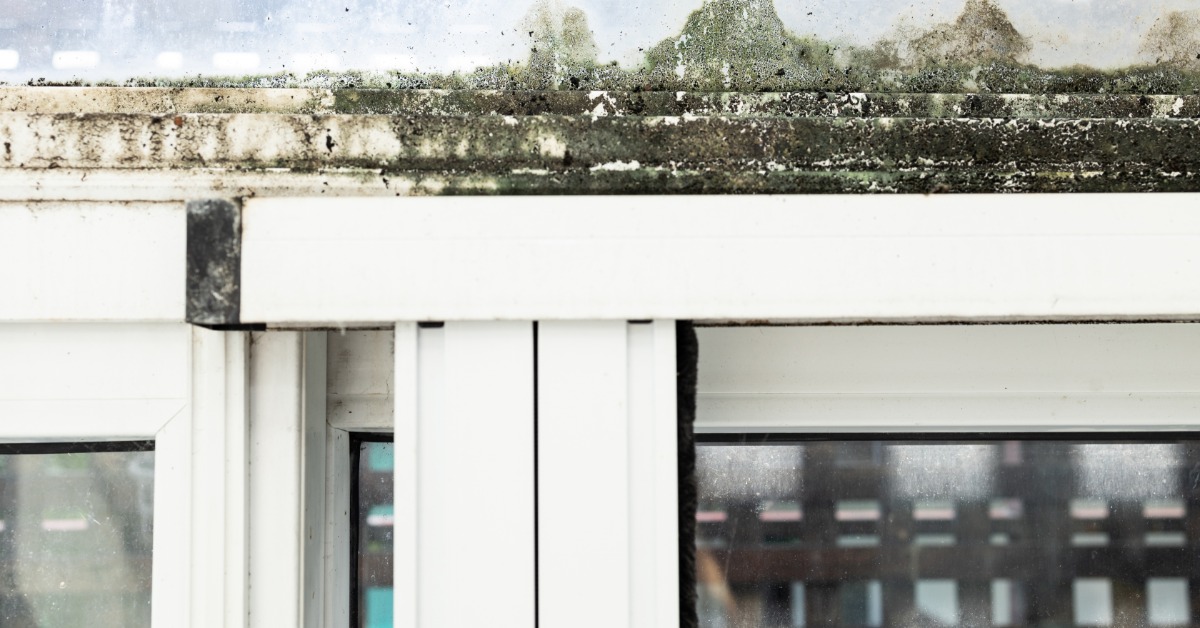
Moisture creates conditions that allow corrosion to spread. When water stays trapped in the window track or sill, the frame has more time to react with moisture. Dirt and debris can make the issue worse because they block drainage paths and hold water against the metal.
Condensation also plays a role during cold weather. Warm indoor air can meet a cold aluminum frame and create moisture on the surface, especially when indoor humidity runs high.
Why Seal Failure Matters
Window sealants protect the frame and the surrounding opening from water. When caulk cracks, separates, or shrinks, water can move behind the frame and into nearby materials.
This can lead to stains or hidden water damage. A window may look like the main problem, but the surrounding trim or wall area may also need attention.
Seal failure can also reduce energy efficiency. Air leaks around a corroded or poorly sealed window can make a room feel colder in winter and warmer in summer.
When Cleaning May Help
Light surface corrosion may not require major repair. A trained window repair technician can clean the affected area and check whether the damage has reached deeper into the frame. Cleaning alone works best when corrosion only affects the surface finish. The frame should still hold the glass securely and operate without strain.
After cleaning, the frame may need a protective coating or sealant touch-up. This helps slow future corrosion and improves the appearance of the window.
When Resealing Makes Sense
Resealing can help when water enters around the frame but the window still functions well. Fresh exterior-grade sealant can close small gaps and stop moisture from entering the opening.
The old sealant must come off before new caulk goes on. Applying new caulk over cracked or loose material can trap moisture and create a short-term fix that fails quickly.
A home window repair service can also check drainage paths during the same visit. Good drainage helps water leave the window instead of sitting inside the track.
When Hardware or Track Repair Helps
Corrosion can affect more than the visible frame. Tracks, rollers, locks, and other moving parts can also wear down or collect debris.
When the window sticks, rattles, or fails to lock, targeted repair may solve the issue. Replacing worn hardware can improve operation without replacing the entire window.
Track cleaning and adjustment may also help sliding aluminum windows. Smooth operation reduces strain on the frame and helps the sash close tightly.
When Frame Repair Becomes Difficult
Severe corrosion can weaken aluminum and change the shape of the frame. A damaged frame may no longer support the glass correctly. It may also prevent the sash from sitting squarely in the opening, which can cause drafts and water leaks.
At that point, repair may only provide a temporary improvement. Full window replacement often makes more sense when the frame has lost strength or no longer seals properly.
When Replacement Makes More Sense
Replacement becomes the better option when corrosion affects comfort, safety, or energy performance. A window that leaks air or water can create ongoing problems even after minor repairs.
Older aluminum windows may also lack the energy performance of newer window products. Homeowners should also consider replacement when corrosion returns soon after repair. Recurring damage often points to a larger issue with drainage, installation, or worn materials.

How Professional Inspection Helps
A professional inspection helps separate cosmetic corrosion from structural damage. The technician can look at the frame, glass, sash, hardware, sealants, and surrounding trim.
Scientific Home Services works with homeowners who need window repair, window installation, vinyl replacement windows, aluminum windows, wood clad windows, and fiberglass windows. Our company also focuses on direct installation service without third-party installation contractors.
Preventing Future Corrosion
Regular maintenance can help aluminum windows last longer. Cleaning the frames, clearing tracks, and checking sealants can reduce moisture buildup.
Keep dirt and debris out of the sill area. Clean drainage paths help water move away from the window instead of pooling near the metal. Indoor humidity also deserves attention during winter. Lower humidity can reduce condensation on cold frames and help limit moisture-related damage.
Repair or Replace: How to Decide
The right choice depends on the condition of the frame and the cause of the corrosion. Surface corrosion, minor seal issues, and worn hardware may respond well to repair.
Deep corrosion, repeated leaks, and poor operation may point toward replacement. A professional can explain the options clearly and recommend a practical solution based on the window’s age, condition, and performance.
Homeowners should avoid waiting until corrosion spreads. Early service can prevent more damage and may keep repair options open.
Call Scientific Home Services for Window Repair
Aluminum window frame corrosion can affect appearance and long-term performance, so don’t put off these repair options. A proper inspection can identify the source of the problem and help determine whether repair or replacement offers the better value.
Scientific Home Services provides window repair and installation support for homeowners in Chicago and nearby communities. Contact Scientific Home Services to schedule service and get clear guidance on aluminum window frame repair options.