
A Look at NFRC Ratings for Chicago Winters
September 18, 2026
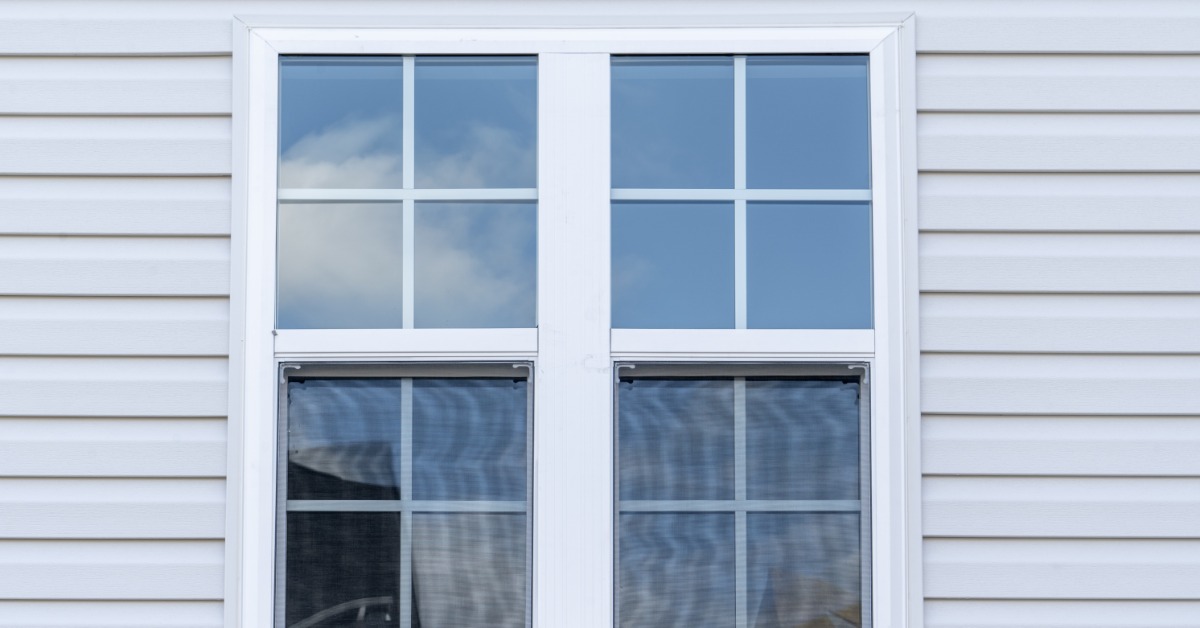
A vinyl window should open smoothly and close without a fight. When that stops happening, the balance system often deserves attention. Window balances counteract the sash’s weight, making everyday operation easier and helping the sash stay securely in position.
Two common balance designs found in vinyl windows include block and tackle balances and coil balances. Both perform the same basic job, but they use different mechanisms to support sash movement.
Understanding how block and tackle compare to coil balances in vinyl windows helps homeowners identify problems, discuss repairs with a window professional, and make smarter decisions when a balance reaches the end of its service life.
What Does a Window Balance Actually Do?
A window sash carries enough weight to make opening it difficult without mechanical assistance. The balance system offsets much of that weight so homeowners can raise and lower the sash with reasonable effort. It also helps hold the sash at the desired height instead of allowing gravity to pull it downward.
Most homeowners rarely think about balances until something goes wrong. A sash might suddenly feel heavy, drift downward after opening, rise unevenly, or refuse to stay up. These symptoms often point toward worn or damaged balance components rather than a problem with the entire window.
How Block and Tackle Balances Work
A block and tackle balance typically uses a spring along with cords and pulleys inside a narrow channel. The pulley arrangement helps distribute the sash load while the spring provides tension. As someone raises or lowers the window, these components work together to counterbalance the sash.
Manufacturers have used several variations of this design, so replacement parts must closely match the original system. Channel dimensions and tension ratings can all affect compatibility. Choosing a part simply because it looks similar can lead to poor window operation.
Block and tackle systems often move smoothly when all components remain in good condition. However, cords can fray, springs can weaken, and connection points can fail after years of regular use.
How Coil Balances Support the Sash
A coil balance uses a tightly wound metal spring rather than the longer spring-and-pulley arrangement found in many block-and-tackle systems. The coil unwinds and retracts as the sash moves, creating the force necessary to offset its weight.
Because manufacturers can fit coil systems into relatively compact spaces, this design works well with many modern vinyl window configurations. Some windows also use multiple coils on each side to support a heavier sash.
A coil system still requires proper matching during repair. The spring needs the correct weight rating, and the surrounding components must suit the original window design. Installing the wrong coil can make the sash feel too heavy, too light, or difficult to control.
Comparing Their Main Design Differences
The biggest difference between these balance systems is how they create and transfer tension. Block and tackle balances combine a spring with cords and pulleys. Coil balances rely on wound spring steel and supporting hardware to manage sash weight.
Those design differences also influence how technicians diagnose problems. With a block and tackle system, the technician may inspect the cord, pulley, spring, channel, and attachment points. A coil system requires close attention to the spring and other supporting parts.
Homeowners may notice similar symptoms regardless of the system inside the window. A professional must identify the balance type before selecting replacement components or recommending a repair.
Common Signs of a Failing Window Balance
Balance problems often develop gradually, although a cord or spring can also fail suddenly. A window that once moved easily may start requiring more force. In other cases, one side loses support before the other, causing the sash to tilt or bind against the frame.
Common warning signs include:
- The sash drops after you raise it
- The window feels unusually heavy when opening
- One side rises faster than the other
- The sash becomes crooked inside the frame
- Opening or closing produces scraping or unusual noises
- The window refuses to remain open at a chosen height
Homeowners should avoid repeatedly forcing a sash that displays these symptoms. Extra pressure can stress locks, pivot hardware, sash components, or other parts that may remain functional.
Determining Which Balance System Lasts Longer
No single balance design automatically lasts longer in every home. Product quality, window size, sash weight, frequency of use, installation quality, and environmental exposure all influence service life. A properly matched balance usually performs better than one that carries too much or too little load.
Chicago homes can place additional demands on window components because temperatures shift dramatically throughout the year. Frequent operation also matters. A bedroom window that opens every day may experience far more balance cycles than a window that stays closed for months.
Can You Replace One Balance With the Other Type?
Switching from a block-and-tackle system to a coil system, or vice versa, usually involves more than swapping one part for another. Each design relies on specific mounting locations, sash connections, dimensions, and supporting hardware. The window manufacturer designed the sash and frame around a particular balance configuration.
For that reason, technicians generally focus on identifying the existing system and finding a compatible replacement. Matching the original design helps preserve the window’s intended operation and reduces the risk of creating new fit or performance problems.
This becomes especially important when repairing residential vinyl windows in Chicago, where homeowners may have windows from different manufacturers or installation periods throughout the same property. Even windows that look nearly identical can contain different internal balance systems.
Why Correct Sash Weight Matters
A balance doesn’t just need to fit inside the window. It also needs to support the correct amount of weight. Manufacturers design balance springs around specific load ranges, and an incorrect rating can noticeably change how the sash operates.
A balance with insufficient support may allow the sash to fall or make the window feel heavy. Too much tension can cause the opposite problem, making the sash hard to close or causing it to rise unexpectedly.
Professional replacement therefore involves more than measuring the visible part. Technicians may need to examine identification markings and inspect the attachment style. Accurate identification helps the replacement system operate as the manufacturer intended.
Repairing Balances Instead of Replacing the Entire Window
A failed balance does not necessarily mean a homeowner needs a completely new window. When the frame, glass, sash, weatherstripping, and other major components remain in good condition, balance replacement can restore normal operation without replacing the entire unit.
That distinction can make a substantial difference for homeowners with multiple aging windows. Targeted repairs allow them to address the mechanical problem instead of discarding a window that still performs well in other respects.
Choosing the Right Repair Approach
Block-and-tackle and coil balances both provide reliable sash support when manufacturers pair them with the right vinyl window design. Neither system represents a universal upgrade over the other. Compatibility matters far more than choosing a balance based on name alone.
Homeowners who notice a dropping, crooked, heavy, or difficult sash should have the window inspected before the problem strains surrounding hardware. Identifying the existing balance type, determining why it failed, and matching the replacement correctly can restore smooth operation.
Scientific Home Services can evaluate vinyl window balance problems and determine whether a targeted repair makes sense. An experienced window technician can identify the existing mechanism and restore proper sash movement while keeping the window serviceable. If your vinyl windows no longer operate the way they should, contact Scientific Home Services to schedule an inspection and find the right repair solution for your home.