
Chicago Building Codes for Window Replacement
May 26, 2026
Window Replacement Safety Considerations: Lead Paint
July 16, 2026

Vinyl replacement windows often come with several upgrade options. Foam filled vinyl window frames can improve insulation in some window designs. They do not always create a major difference by themselves.
The full window matters more than one frame feature. Glass type matters, spacer design matters, weatherstripping matters, and installation quality matters.
Chicago homeowners often ask if foam-filled vinyl window frames are better insulated? The best answer depends on the window design and the condition of the existing opening.
What Foam-Filled Vinyl Frames Are
Vinyl window frames usually have hollow chambers inside the frame. These chambers add strength and reduce heat transfer through the vinyl structure. Some manufacturers fill these chambers with insulating foam. The foam often goes inside the main frame and sash sections.
The goal is simple. The foam reduces empty air space inside the frame and helps slow heat movement.
Foam filled frames still use vinyl as the main structure. The foam does not replace the frame material or turn a basic window into a premium window. This feature can support better thermal performance. It should not carry the whole buying decision.
How Window Insulation Gets Measured
Window insulation usually comes down to the U-value. A lower U-value means the window resists heat transfer.
Homeowners may also see SHGC on window labels. SHGC stands for solar heat gain coefficient and measures how much solar heat passes through the glass.
Air leakage also matters in homes. A window can have decent glass and still feel drafty when the sash or installation allows air movement. These ratings help compare full window units.
Are Foam-Filled Frames Better Than Hollow Vinyl Frames?
Foam-filled vinyl frames can provide a small insulation advantage over hollow vinyl frames. This advantage depends on the frame design and the foam placement.
A well-designed hollow vinyl frame can still perform well. Multiple internal chambers can help reduce heat movement without foam. A poorly designed foam-filled frame may not outperform a better hollow frame. The design of the whole unit still controls the final result.
Foam also does not fix weak glass performance. A window with basic glass can still lose too much heat through the center of the unit. For that reason, foam-filled frames work best as one part of a stronger package.
Why Frame Insulation Matters in Chicago
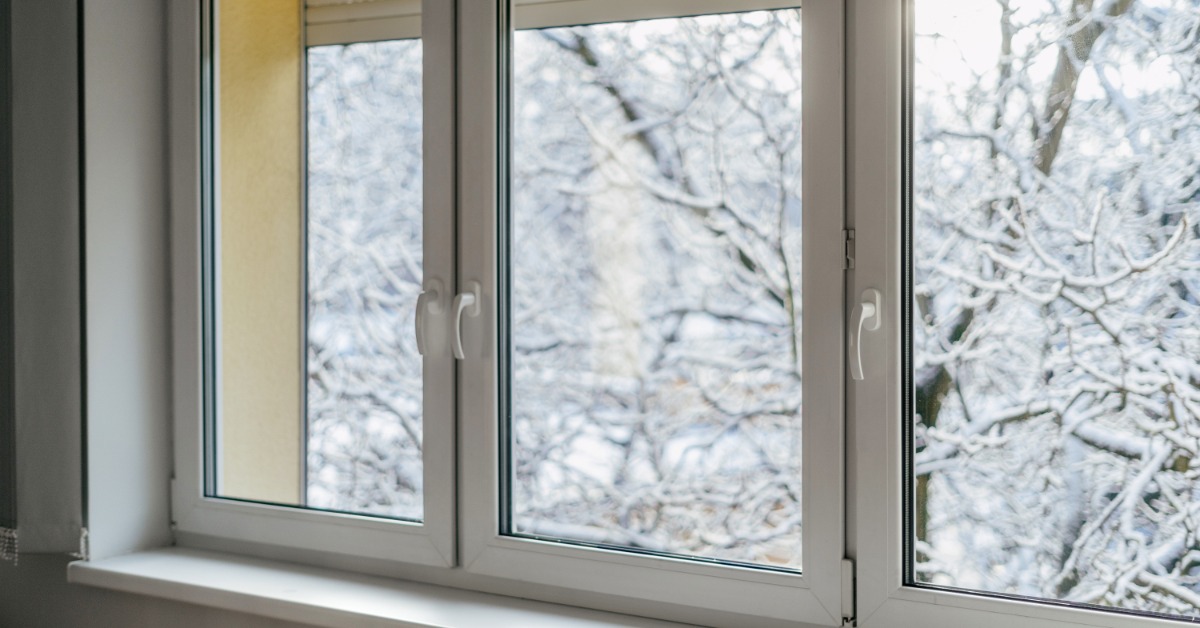
Chicago homes deal with cold winters and humid summers. Window performance affects comfort during both seasons.
In winter, heat loss through old windows can make rooms feel colder. Drafts near window openings can also make heating systems work harder. In summer, poor windows can allow unwanted heat into the home. This can raise cooling demand and create uneven room temperatures.
Frame insulation matters most around the edges of the window. This area includes the frame, sash, spacers, and installation joint. Foam-filled vinyl frames may help reduce heat movement through those frame sections. Proper installation still plays a major role in real comfort.
Where Foam-Filled Frames Help Most
Foam filled frames tend to help more when the frame has large chambers. The added foam can reduce heat transfer through those open areas. They may also help around large vinyl frames. Larger frame sections create more area for heat movement.
The benefit can be more noticeable in rooms with heavy exposure. This includes rooms with strong wind or colder wall surfaces. Foam-filled frames can also help support condensation resistance. Better edge performance can reduce cold spots on parts of the window.
Still, condensation depends on indoor humidity and ventilation too. A better frame alone cannot solve every moisture issue.
Other Features That Affect Insulation
A good replacement window uses several features. Foam-filled frames can help, but they should not distract from other important details.
Key features to compare include:
- Low-E glass coatings
- Double-pane or triple-pane glass
- Warm edge spacer systems
- Strong weatherstripping
- Low air leakage ratings
- Proper frame fit
- Skilled installation
Each feature supports comfort in a different way. The best results come from a window that combines good materials with careful installation.
Installation Can Make or Break Performance
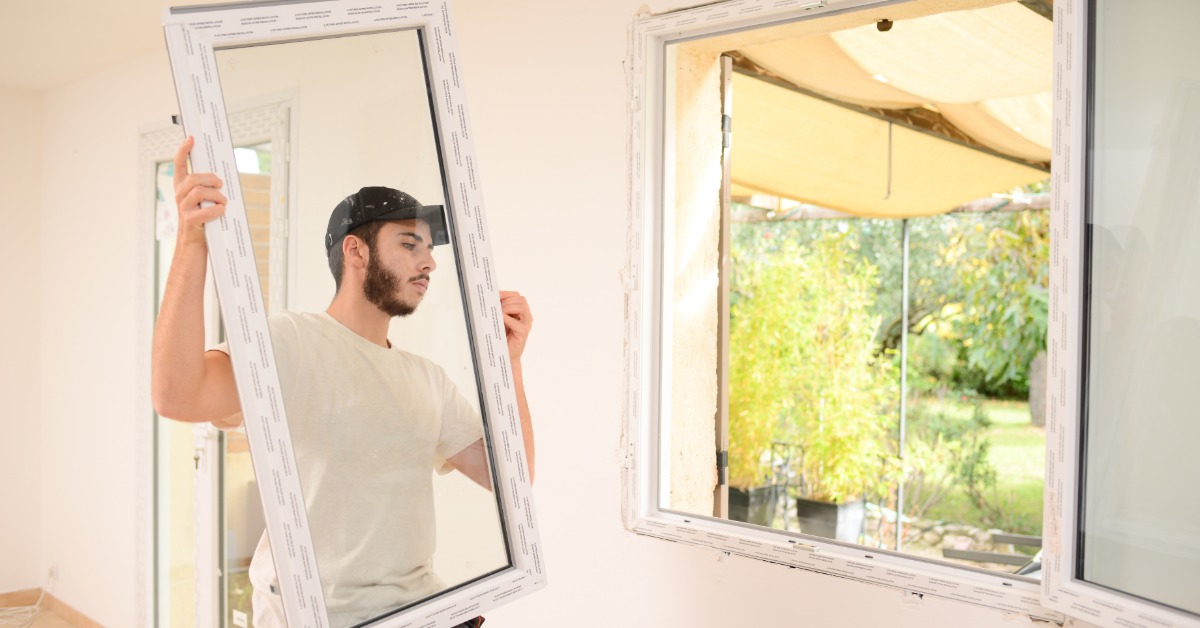
Even a well-rated window can underperform after poor installation. Gaps around the frame can allow air and moisture to move into the opening.
Old openings also need careful evaluation. Rot, movement, and poor flashing can affect the final result.
Installers should fit the window squarely and seal the perimeter correctly. They should also protect the opening from water intrusion. This is especially important in older Chicago homes, as many openings have settled or shifted over time.
Foam-Filled Vinyl Versus Other Frame Materials
Vinyl frames already offer good insulation when compared with basic aluminum frames. Vinyl does not conduct heat as quickly as metal.
Foam-filled vinyl can add another layer of thermal support. That can make it a practical choice for many replacement projects.
Fiberglass and wood clad windows can also offer strong performance. The right option depends on budget, style goals, and opening conditions. Aluminum windows can work well in some designs. They usually need thermal breaks to reduce heat transfer.
Homeowners comparing frame materials should look at whole-window ratings. Material names alone do not tell the full story.
Are Foam-Filled Frames Worth the Cost?
Foam-filled vinyl frames can be worth the cost when the upgrade improves the full window rating. They can also make sense when comfort matters in colder rooms.
Small improvements can still matter over many windows. They may also improve comfort near seating areas or bedrooms.
The decision should focus on the whole project. A slightly better frame may not matter as much as better glass or better installation. For many homes, foam-filled frames make an excellent supporting upgrade. They work best when paired with a strong window system.
Questions To Ask Before Choosing Foam-Filled Frames
Before choosing foam-filled vinyl windows, homeowners should ask clear questions. The answers can show whether the upgrade has real value.
Useful questions include:
- What is the full window U-factor?
- What is the air leakage rating?
- Does the foam change the rating?
- What glass package comes with the frame?
- How will the opening get sealed?
- Who handles the installation?
These questions keep the focus on performance. They also help avoid paying for a feature that sounds better than it performs.
Finding Foam-Filled Vinyl Frames for Your Home
When asking if foam-filled vinyl frames are better insulated, the smartest choice comes from comparing full window ratings. A strong product should show clear performance data.
Chicago homeowners should also consider the condition of the existing openings. Even the best window needs a proper fit and seal.
Scientific Home Services can help evaluate existing windows and recommend practical replacement options. Contact Scientific Home Services to discuss vinyl window installation & replacement in Chicago for a more comfortable home.