
Are Foam-Filled Vinyl Window Frames Better Insulated?
July 10, 2026
7 Benefits of Using Foam Filling In Vinyl Windows
August 7, 2026
Older windows can affect comfort and energy performance. They can also raise safety questions during replacement. Lead paint deserves careful attention in homes built before 1978.
Window removal can disturb old paint on frames and trim. Lead dust can spread quickly during scraping and demolition. A safer project starts with planning before any work begins. Here are the biggest window replacement considerations for working with windows that feature lead paint.
Why Lead Paint Matters During Window Replacement
Lead paint often hides beneath newer paint layers. Older windows may have paint on sash edges and interior trim. Window openings see regular movement and friction, which can loosen old paint over time.
Replacement work can disturb painted surfaces around the opening. Cutting and prying can create chips and dust. Dust creates the biggest concern during window projects. Fine dust can land on floors and furniture.
Lead paint does not always look different from other paint. Age and condition give the first clues. A home built before 1978 needs extra caution. Older Chicago area homes often fall into this category.
How Lead Dust Spreads Around Windows
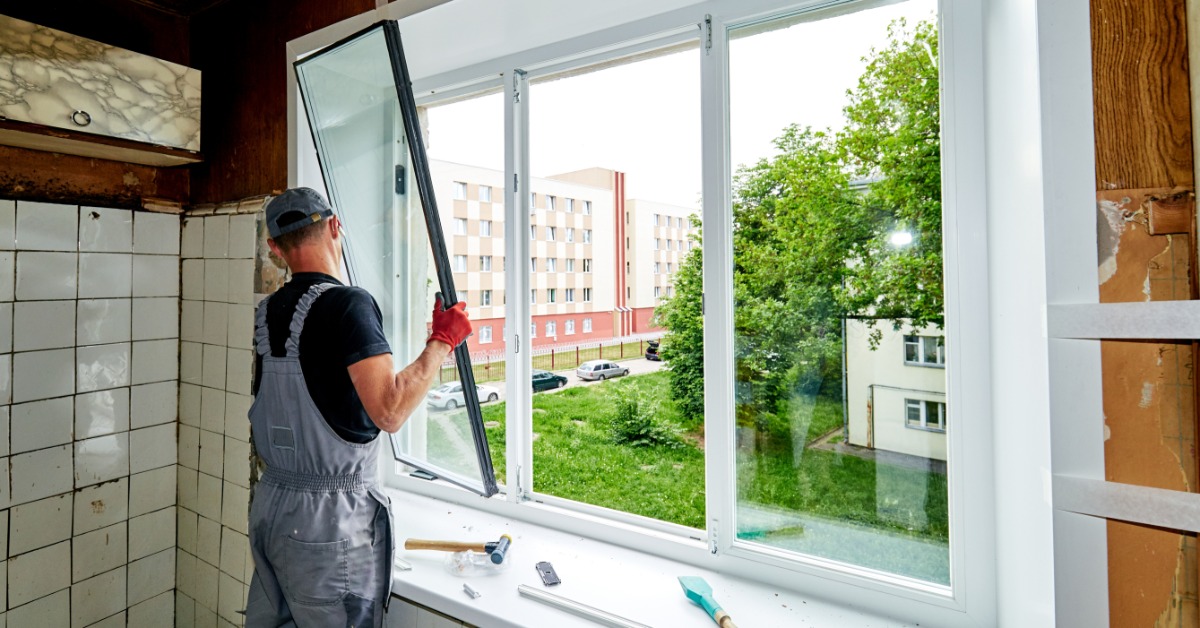
Window replacement involves more than removing glass. The installer may need to loosen stops and trim. Painted joints can crack during this process. Old paint can break into small pieces. Dust can also form when tools cut painted material. Dry scraping can create even more dust.
A work area needs control from the start. Plastic barriers and floor protection help limit spread. Good containment keeps dust near the opening. It also protects nearby rooms from debris.
Lead-safe practices also protect the installation crew. Crews need proper training and cleanup procedures.
Signs A Home May Need Lead-Safe Planning
A homeowner cannot confirm lead paint by appearance alone. Testing gives better information before work starts. Several clues can point toward higher risk:
- The home dates to 1978 or earlier
- Paint cracks around window trim
- Old sash channels show heavy wear
- Painted trim has many older layers
- Children use the room often
- Prior repairs disturbed painted surfaces
These signs do not prove lead paint exists. They show that the project needs careful planning.
Testing And Project Review
A professional review should happen before removal begins. The installer should ask about the age of the home. Testing may help confirm whether lead exists. Testing can guide the right work practices.
Some homeowners already have inspection records. Those records can help the contractor plan the work area. Older homes can still have lead paint after past updates. Newer replacement windows do not remove every old painted surface.
A careful contractor treats unknown paint with caution. That approach supports safer home window replacement in Chicago.
Lead-Safe Work Practices During Replacement
Lead-safe work practices focus on dust control. The goal involves preventing dust from leaving the work area. A trained crew should set up the room before removal. Remove furniture and personal items from the area. Floor protection should also cover the work zone. Door openings may need plastic barriers.
Crews should avoid methods that create heavy dust. Open flame burning and uncontrolled sanding create major concerns. Dust control also matters outside the home. Exterior work can drop paint chips near soil and walkways.
A lead-safe replacement plan should include setup and cleanup. It should not focus only on the new window.
What Homeowners Should Expect Before Work Starts
Good communication helps the project move safely. The contractor should explain how they will keep the work area contained.
Children and pets should stay away from work areas. The same rule should apply until cleanup ends. Personal items near the window should move before installation. Curtains and blinds should come down when practical.
The contractor should protect finished surfaces near the opening. Proper setup helps prevent dust and damage. A careful start can reduce stress during the project. It can also support a cleaner final result.
What Happens During Window Removal
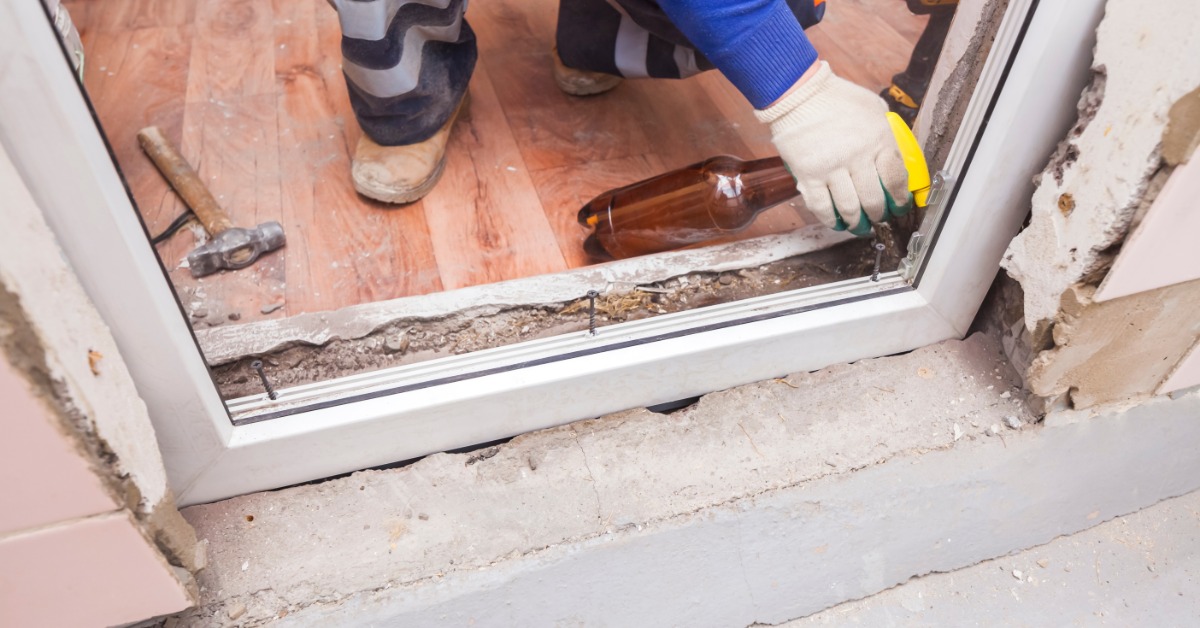
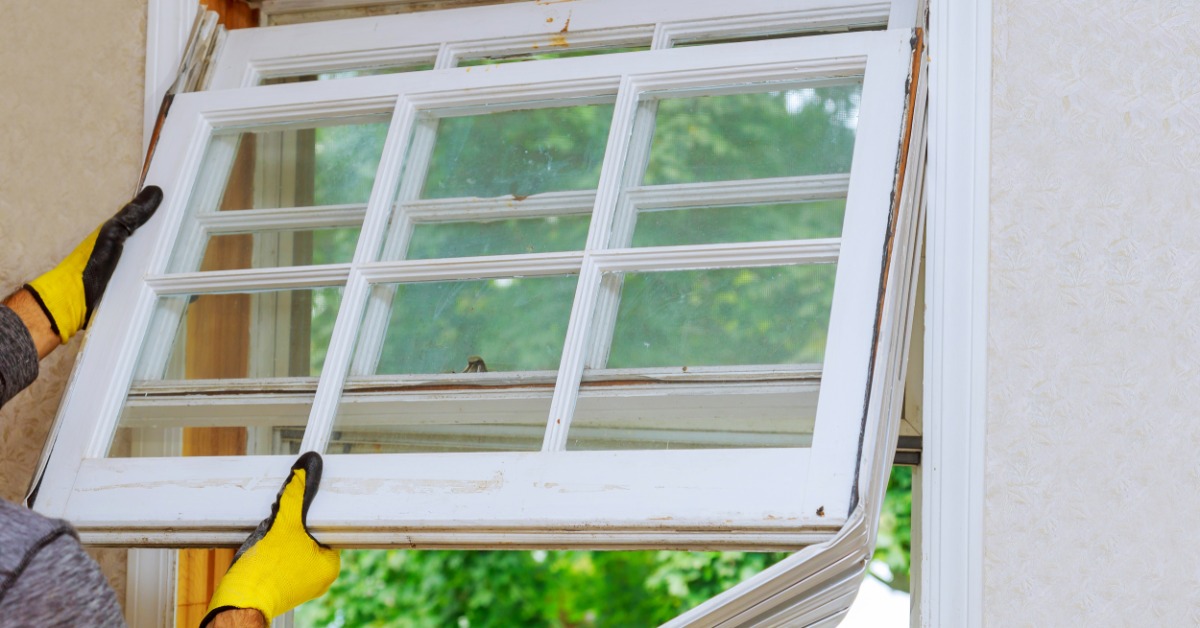
Window removal starts with access to the frame. The crew may remove stops and loose trim. The installer should control debris at the source to prevent paint chips from scattering across the room.
Tools should match the condition of the window. Gentle removal can reduce unnecessary damage.
Some openings require more repair than expected. Hidden rot or damaged trim can appear after removal. Lead-safe planning still matters when repair work changes. A contractor should keep containment in place.
Cleanup After Lead-Safe Window Work
Cleanup plays a major role in lead-safe work. A room may look clean while dust remains. Crews should use methods that collect fine dust. Regular sweeping can push dust into the air.
A careful cleanup removes paint chips first. Then the crew can address surfaces around the opening. Floors and sills need close attention. Window troughs can collect debris during removal.
Homeowners should avoid entering the work zone too early. The crew should finish cleanup before normal room use resumes.
Why DIY Replacement Can Increase Risk
DIY window work may look simple at first. Older painted openings can make the job more complicated. Lead dust can spread when tools disturb paint. The risk increases without containment and cleanup training.
Improper removal can also damage the opening. Extra damage can create more painted debris. DIY work can also leave hidden dust behind. That dust may remain on floors and sills.
A certified or properly trained professional can manage these risks better. Experience matters when older windows meet lead concerns. Professional planning helps protect the home during replacement and keeps the project on schedule.
Choosing A Window Contractor For Older Homes
Older homes need a contractor that understands more than window sizing. The crew should understand painted surfaces and safe removal.
The company should explain containment and cleanup. Clear answers help homeowners compare options. The installation team should also understand local homes. Certain Chicago area houses can have older trim details and layered repairs. Scientific Home Services supplies and support home window replacement in Chicago. Our team handles window work with attention to fit and service.
Lead Paint And Long-Term Window Performance
Lead-safe work protects the home during the project. Proper installation supports the home after the project. A new window should fit the opening correctly. A poor fit can create drafts and water problems.
Window replacement should improve comfort and function, not create safety concerns. Lead-safe planning supports both goals. It helps protect the living space while the new window goes in. Older homes can still receive modern window upgrades. The process just needs the right precautions.
Lead Paint And Window Replacement
A safe window replacement project with potential lead paint starts with questions before installation day. It continues with containment and careful cleanup.
Homeowners should choose a window company that respects both safety and performance. That choice matters in older Chicago area homes. For lead-conscious window replacement and repair guidance, contact Scientific Home Services. Schedule a consultation to discuss safe replacement options for an older home.