Aluminum Window Fame Corrosion and Repair Options
May 5, 2026
Are Foam-Filled Vinyl Window Frames Better Insulated?
July 10, 2026
Window replacement can look simple from the outside. A homeowner chooses a style and schedules installation. However, Chicago building codes add another layer to that process. Keep reading to learn more about Chicago-area building codes and how they matter to window replacement.
Why Window Building Codes Are Important
The City of Chicago uses construction codes to set minimum standards for safety, energy performance, and building quality. These rules apply to many repair and replacement projects.
Code requirements also help protect the value of a home. A proper window replacement should seal against weather and meet current performance standards. Poor planning can cause permit delays or future repair costs.
A local window supplier and repair expert can help match each project with the right product and process. That matters because Chicago homes vary widely. Bungalows, two-flats, condos, and vintage buildings can all have different window conditions.
When a Permit May Be Required
Window permit needs depend on the building type, window location, project scope, and product change. Many construction and repair projects require a permit before work begins. Exterior window and door replacement can qualify for the Express Permit Program when the work fits eligible conditions, which covers replacement in existing exterior openings.
A permit may become necessary when the project changes more than a simple repair. A new opening, a different opening size, or work near a fire-rated area can require closer review. Multi-story buildings can also face extra restrictions.
Local guidelines list some window work that may not require a building permit. These include:
- Repairing an existing window
- Replacing glass in an existing sash
- Installing accessories
- Certain in-kind replacements. In-kind replacement means the new item uses the same type, size, and shape as the existing element.
Permit rules can change based on details of the home. A professional review before ordering windows can prevent a costly mismatch.
Existing Openings Matter
Most standard replacement projects keep the existing rough opening. That means the new window fits where the old window already sat. This approach usually reduces structural work.
This distinction matters during design. A homeowner may want a larger window for more light. That change can affect framing and water management, among other design and interior factors.
A window expert should measure more than glass size. The review should include frame condition, wall depth, exterior trim, interior finish, and sill condition. Accurate measurements support code compliance and cleaner installation.
Energy Code Requirements
Chicago window replacement also involves energy performance. Replacement windows and doors installed under an exterior window or door replacement permit must meet U-value and solar heat gain requirements under the Chicago Energy Transformation Code.
For homeowners, this means product ratings matter. A window should look right but also meet thermal performance standards for the project. U-factor measures heat transfer through the window assembly. A lower U-factor usually means better insulation. Solar heat gain coefficient measures how much solar heat enters through the glass.
Energy performance also depends on installation quality. Even a high-performance unit can leak air when the frame lacks proper sealing. The right product and the right installation both matter.

Safety Glass and Fire Safety
Some Chicago window locations may require safety glazing. Safety glass can reduce injury risk when glass breaks. This often matters near doors, walking surfaces, stairs, and other impact areas.
Fire safety can also affect window replacement. Some exterior windows and doors may require fire-rated glass. Certain windows near fire escapes or close to property lines may not qualify for simple Express Permit replacement.
These rules can surprise homeowners in dense Chicago neighborhoods. Many homes sit close to neighboring buildings. Some older buildings also have fire escapes or special wall conditions.
A replacement should never downgrade required safety features. Matching the old appearance may not satisfy the code if the existing unit no longer meets current requirements. A qualified expert can identify these concerns before work begins.
Historic and Condo Building Concerns
Chicago includes many older homes and multi-unit buildings. Some properties may have architectural rules, condo association requirements, or landmark review concerns. These items can affect window color and exterior appearance.
Building codes address minimum safety standards. Other property rules can add another layer. A condo board may require approval before exterior window work starts.
Older buildings often need careful assessment. Existing frames may hide rot, corrosion, water damage, or past installation errors. A repair may solve a small issue when the surrounding frame remains sound.
Full replacement may make more sense when the frame has failed. A good evaluation should compare performance as well as code needs.
Common Code Issues During Window Replacement
A smooth project starts with careful planning. The most common problems usually appear before installation begins.
- Wrong product ratings for Chicago energy requirements
- Reduced bedroom egress opening size
- Missing safety glass in required locations
- Changes to an opening without proper review
- Poor flashing or sealing at the exterior wall
- Fire-rated conditions overlooked near lot lines
- Condo or building approvals missed before work
Repair Versus Replacement
Not every window problem requires a full replacement. Some homes need targeted repair. Glass replacement, balance repair, sash repair, hardware service, and seal improvements can solve many issues.
Chicago guidance allows certain repair work without a building permit. That can include repairing damage to an existing window or replacing glass in an existing sash. The exact project details still matter.
Replacement becomes more practical when frames no longer perform. Drafts, water intrusion, rotted wood, failed seals, and warped sashes can point toward replacement. Energy upgrades can also justify a new unit.
The best choice depends on condition and goals. A repair can preserve existing character, while a replacement can improve comfort and efficiency.
Why Professional Installation Matters
Code compliance does not stop at the permit. The installed window must manage Chicago weather needs and temperature changes.
A correct installation includes proper fit, level placement, insulation, flashing, and exterior sealing. The installer should protect surrounding trim and wall materials. A poor installation can lead to leaks even when the product meets code.
Professional documentation also helps. Product labels and approval notes can support inspections. Local experience matters because Chicago housing stock has unique conditions. Trust a local and experienced business like Scientific Home Services for your local repair needs and code information.
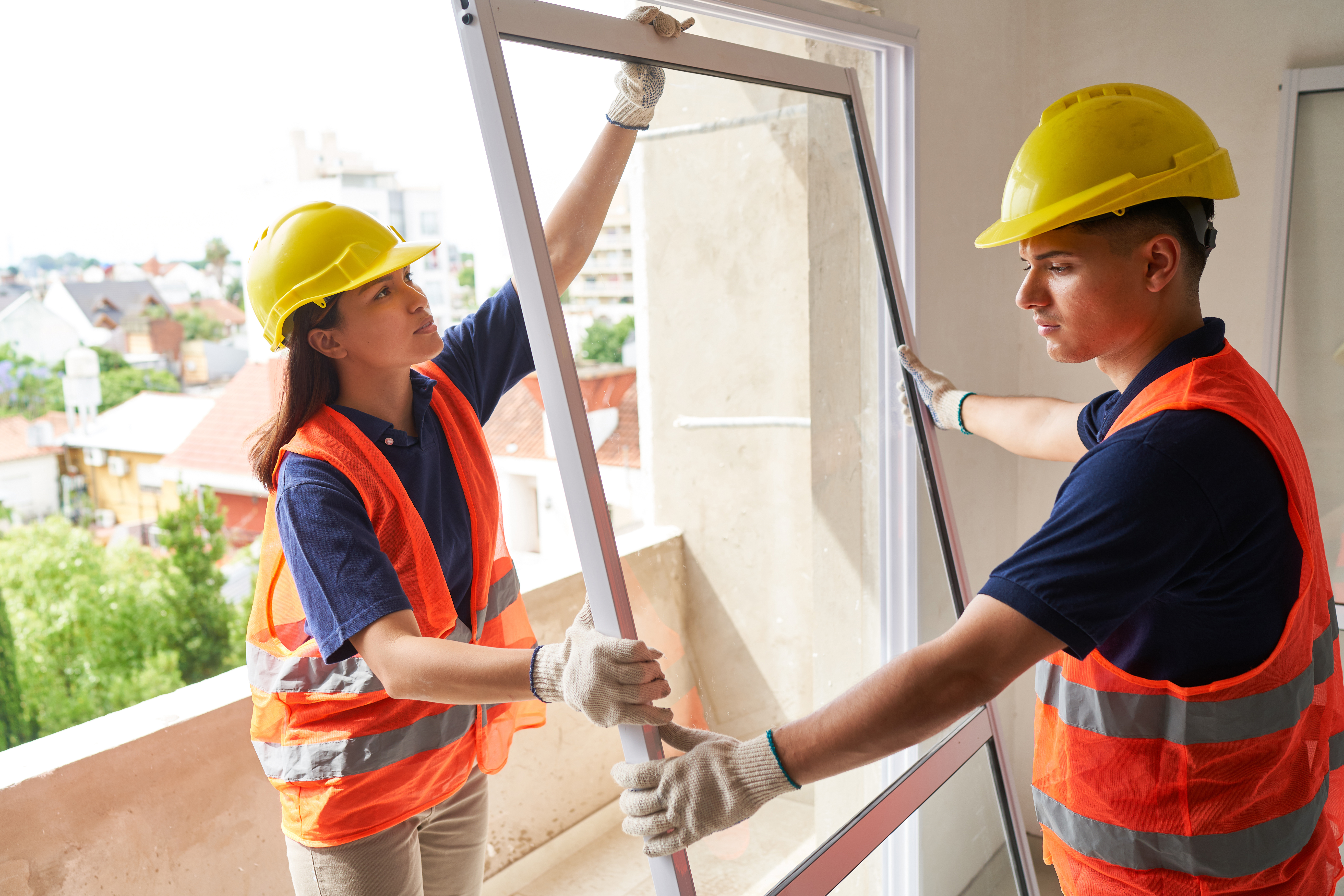
Get Help With Window Replacement and Repair in Chicago
Chicago building codes surrounding windows and other property aspects exist to protect safety and property value. The rules can feel technical, but the project becomes easier with the right guidance. A knowledgeable window expert can explain options in plain language.
For help with window replacement and repair in Chicago, contact a local window replacement and repair team. Schedule an evaluation to review window condition, code concerns, product options, and next steps.